
 Türkçe
 ENGLISH
 РУССКИЙ
 Français
 عربي
عربي Română
 Deutsch
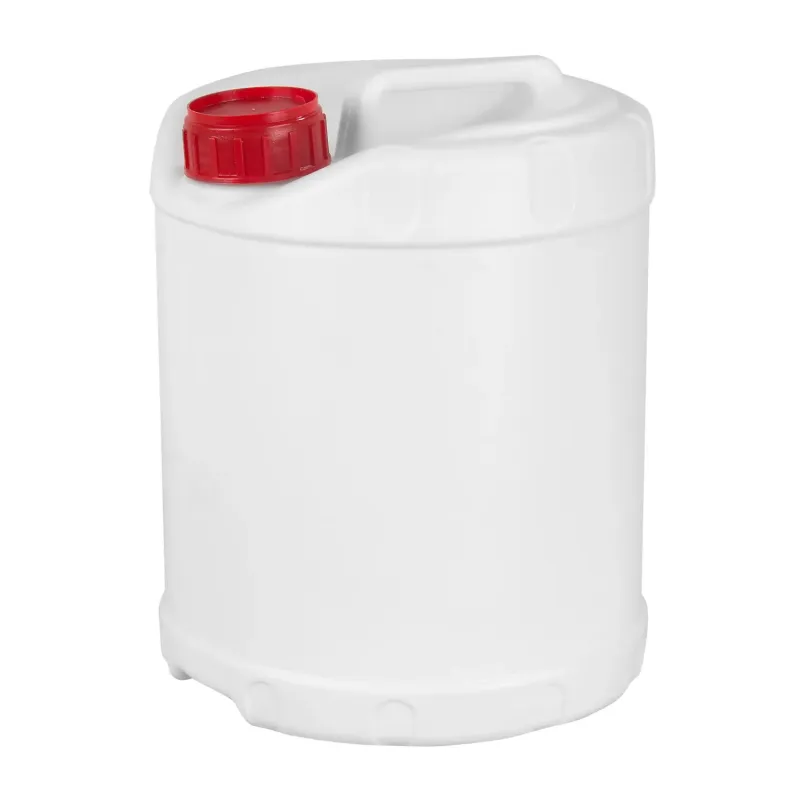
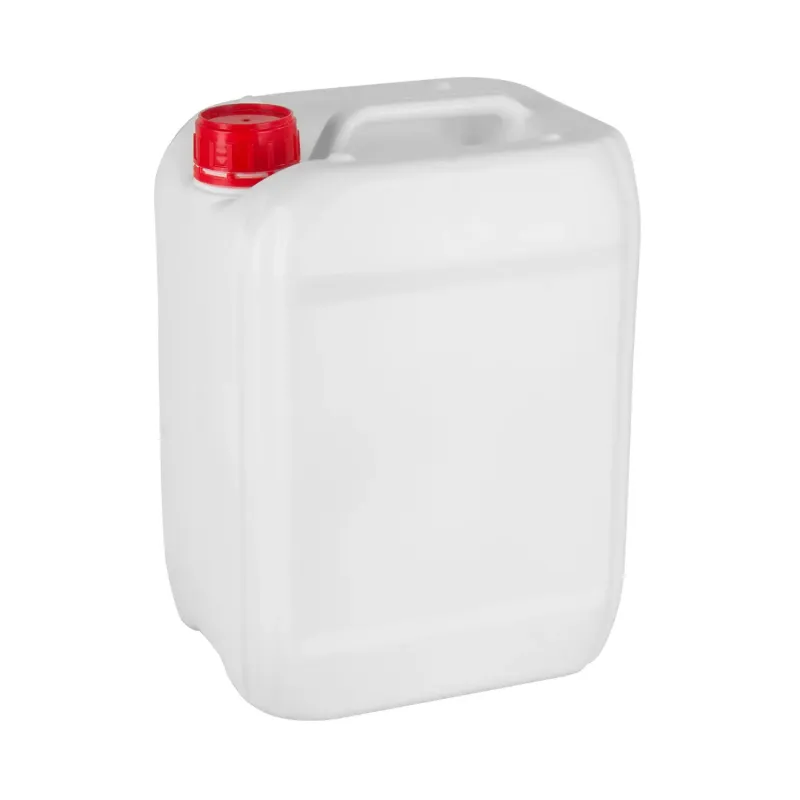
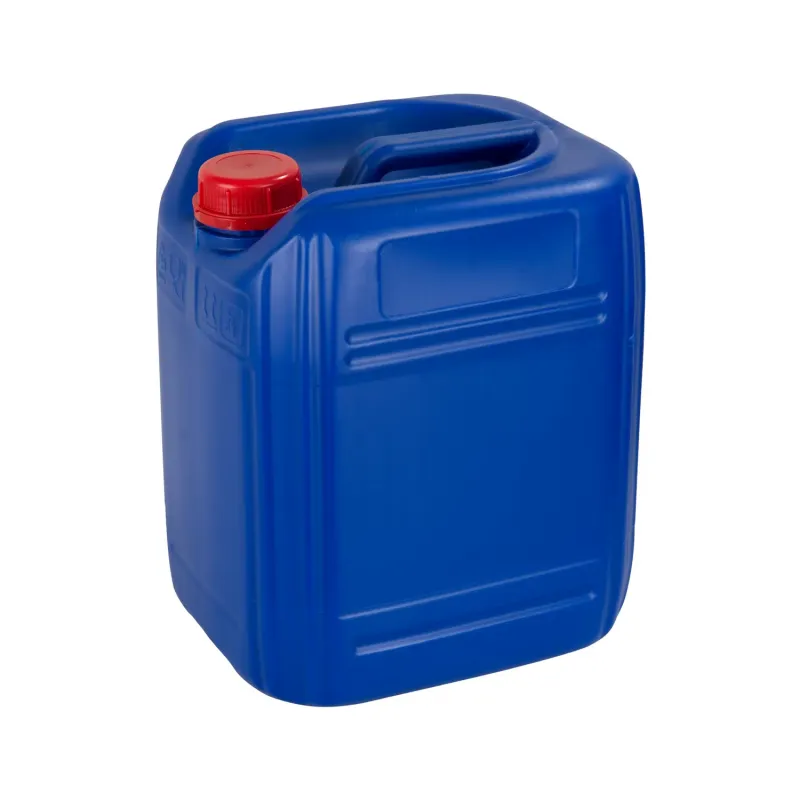
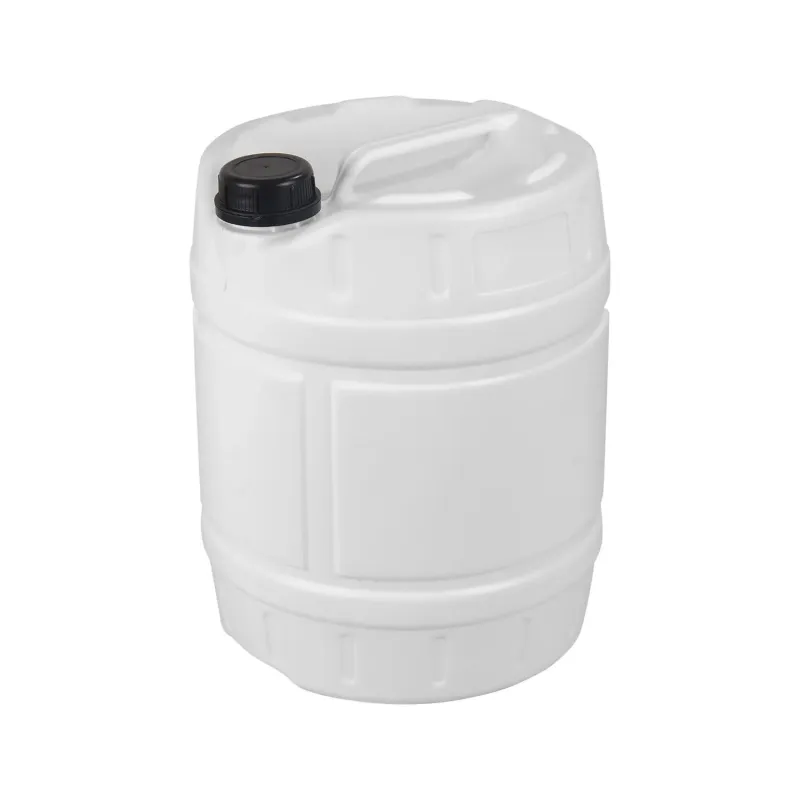


How Does a Bottle Manufacturer Operate? Production Processes and Quality Standards

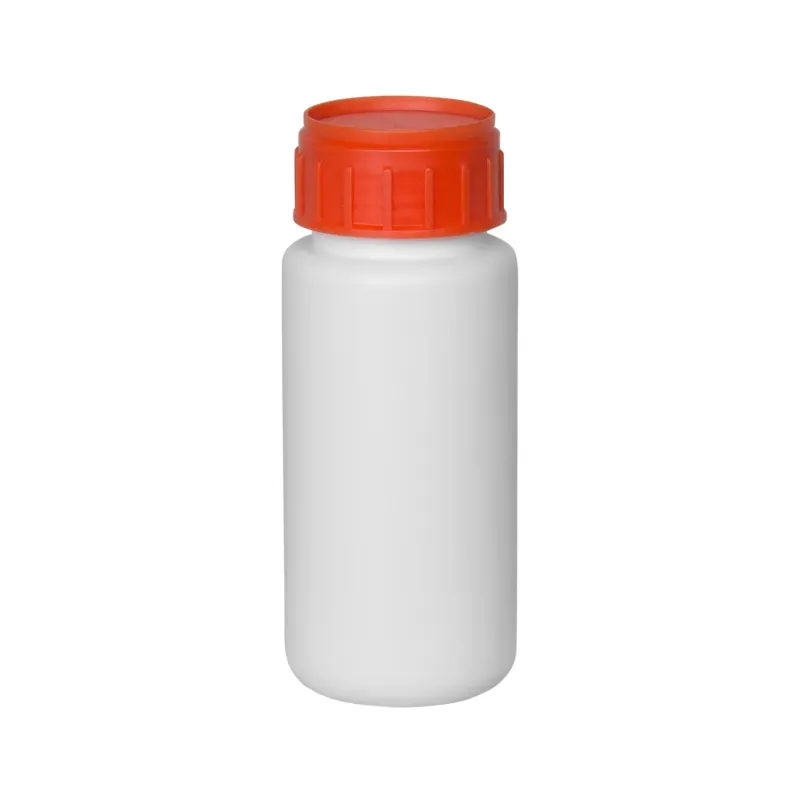
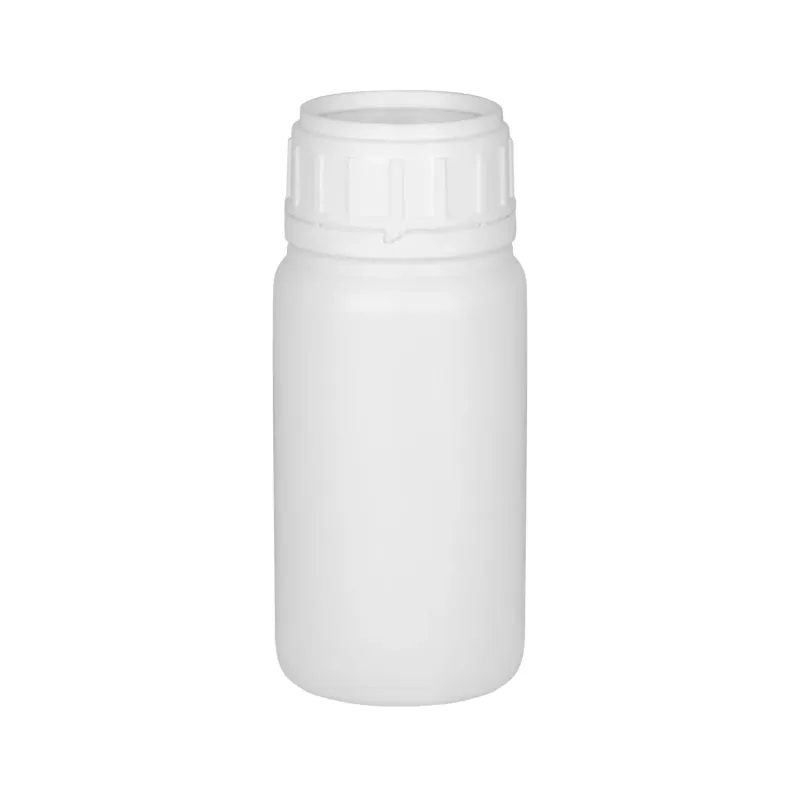
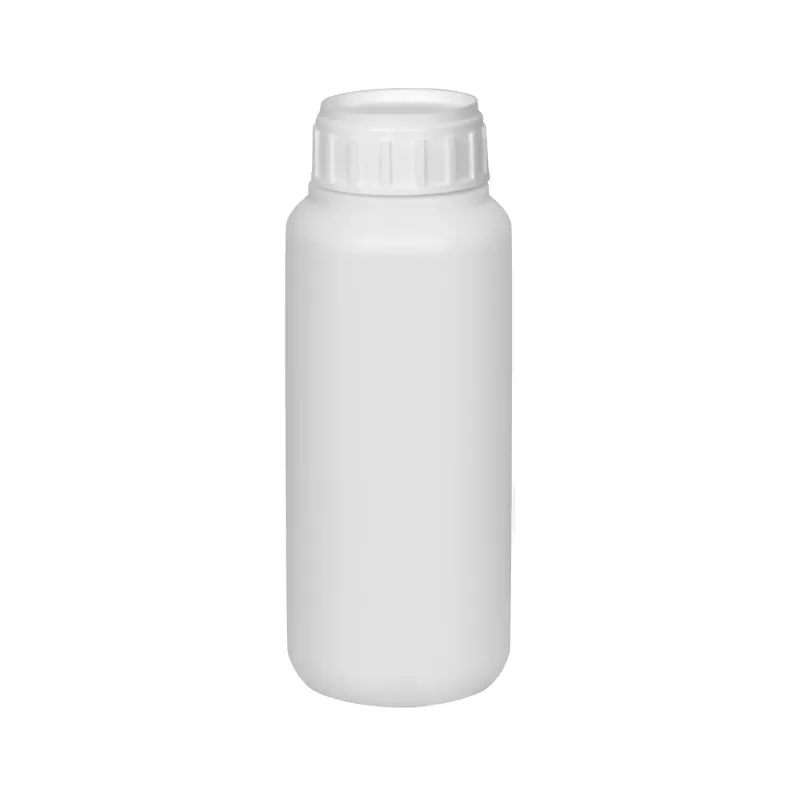
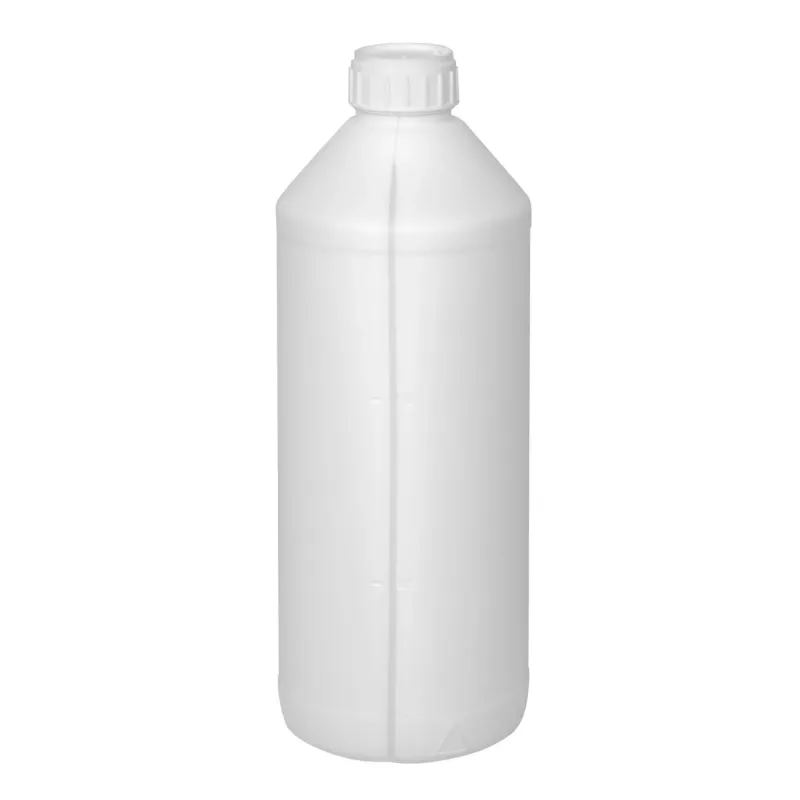
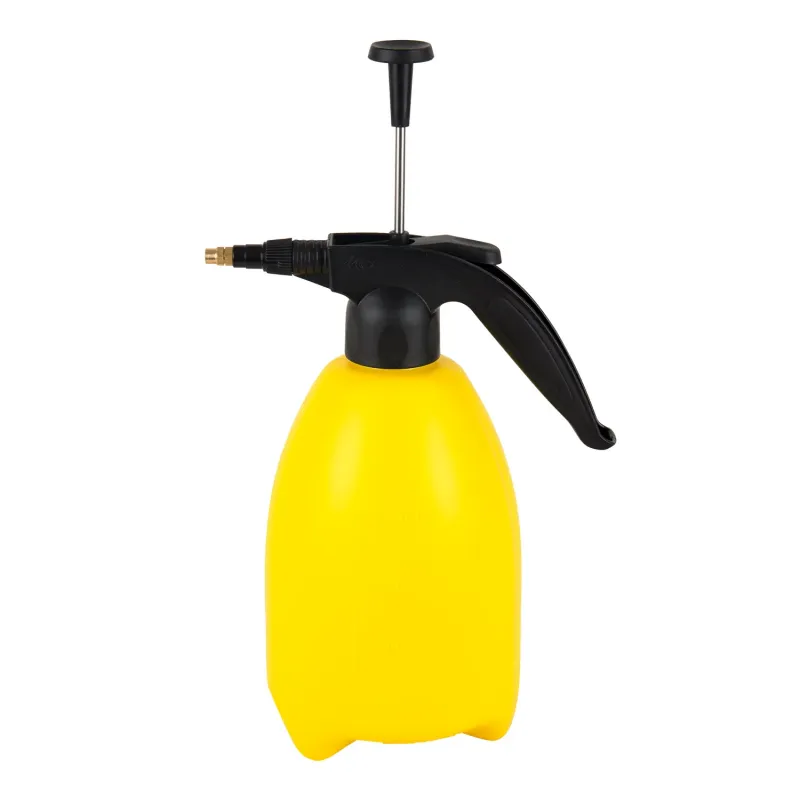
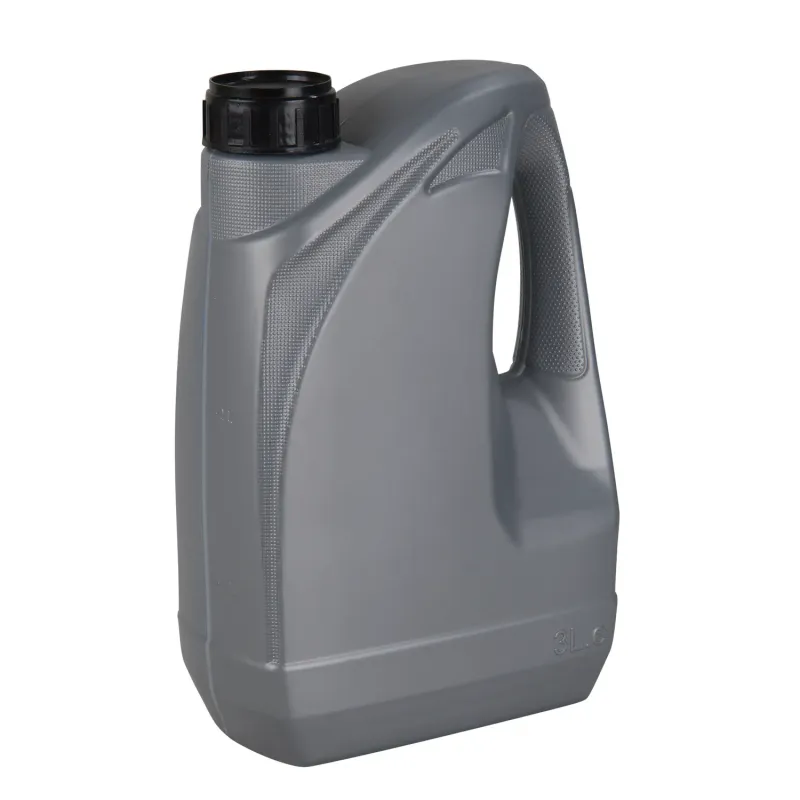
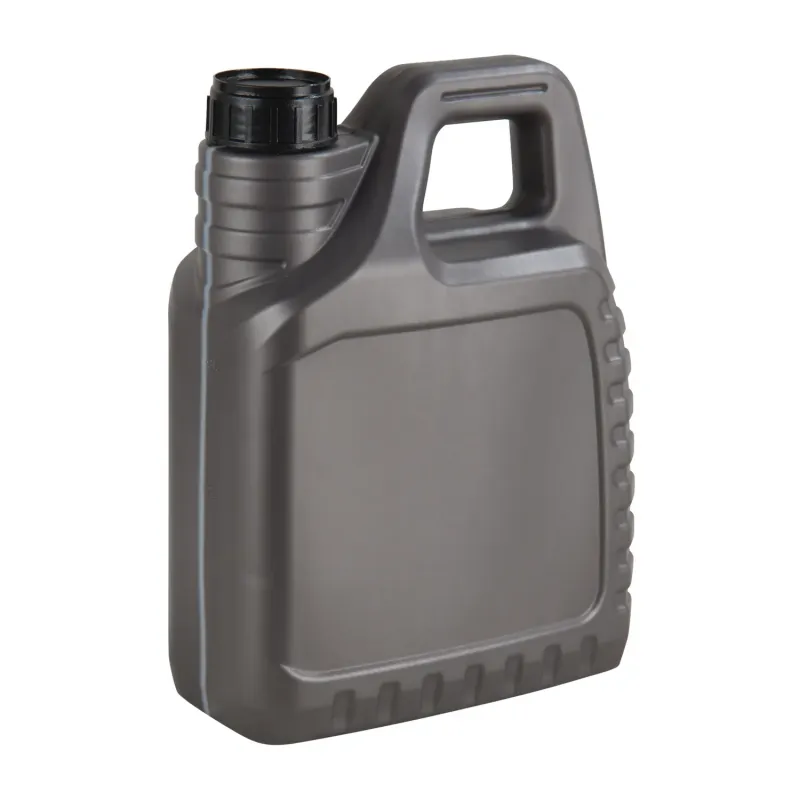
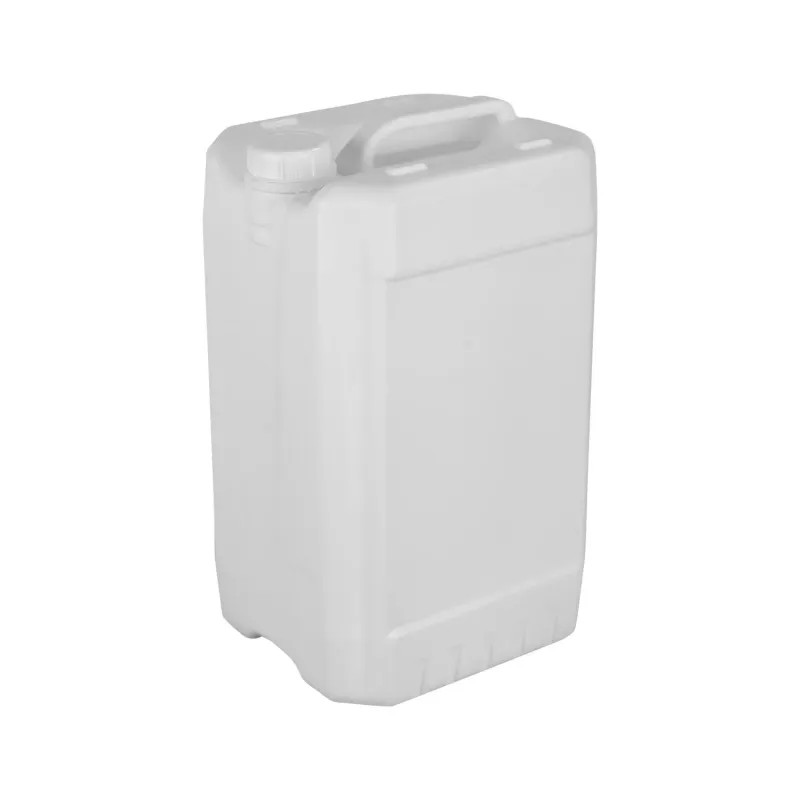
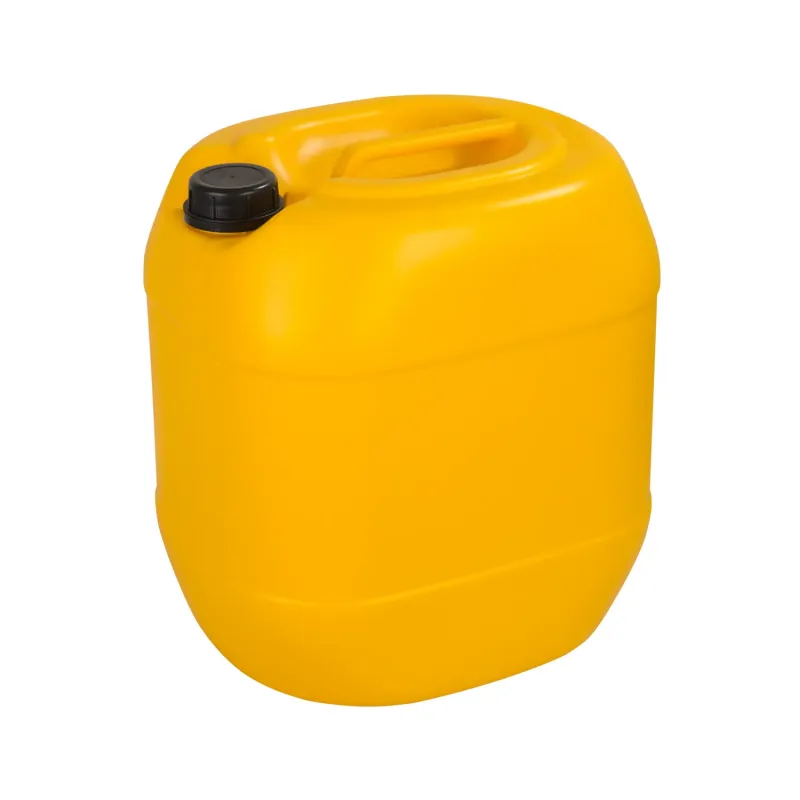
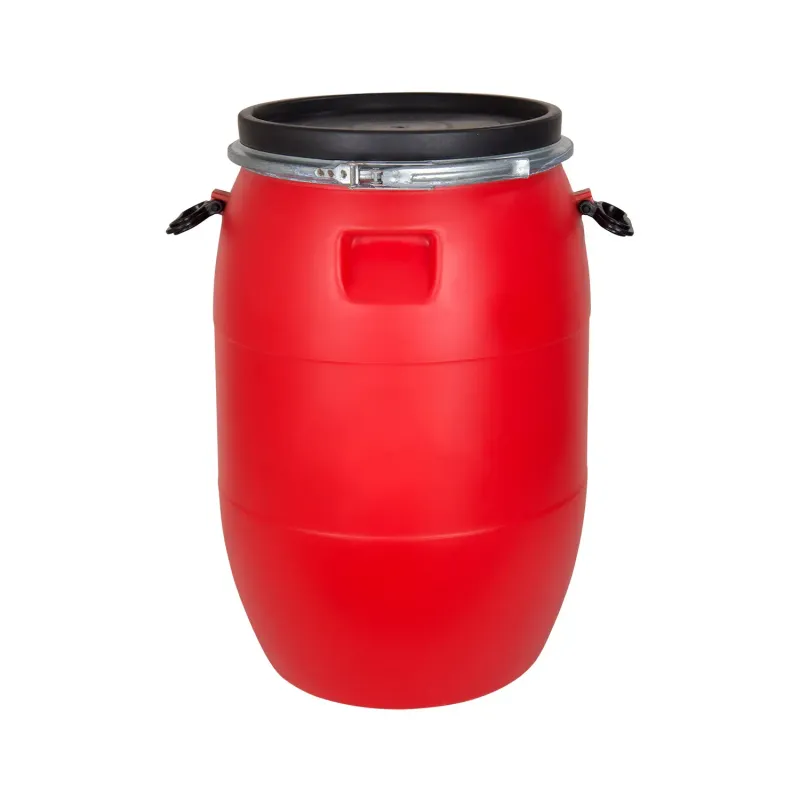
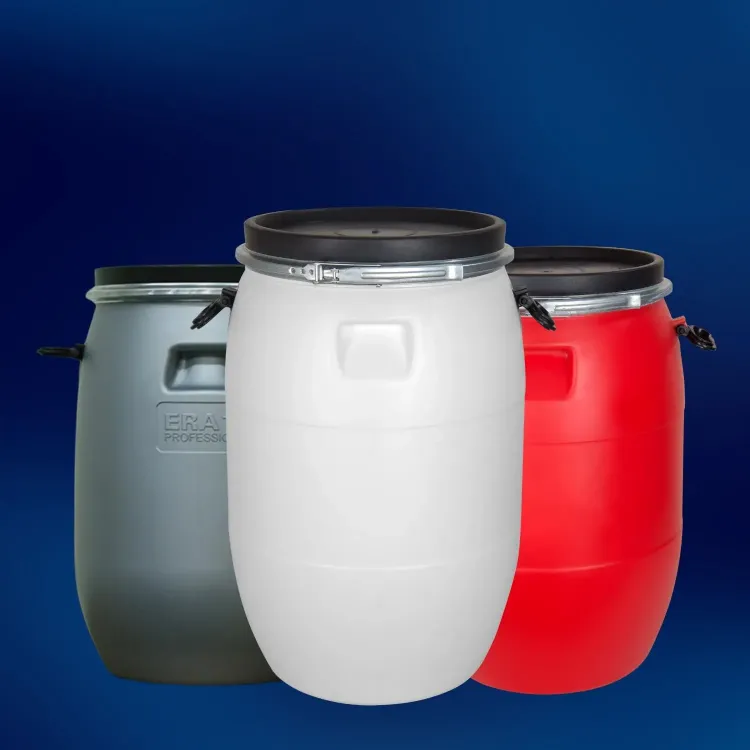
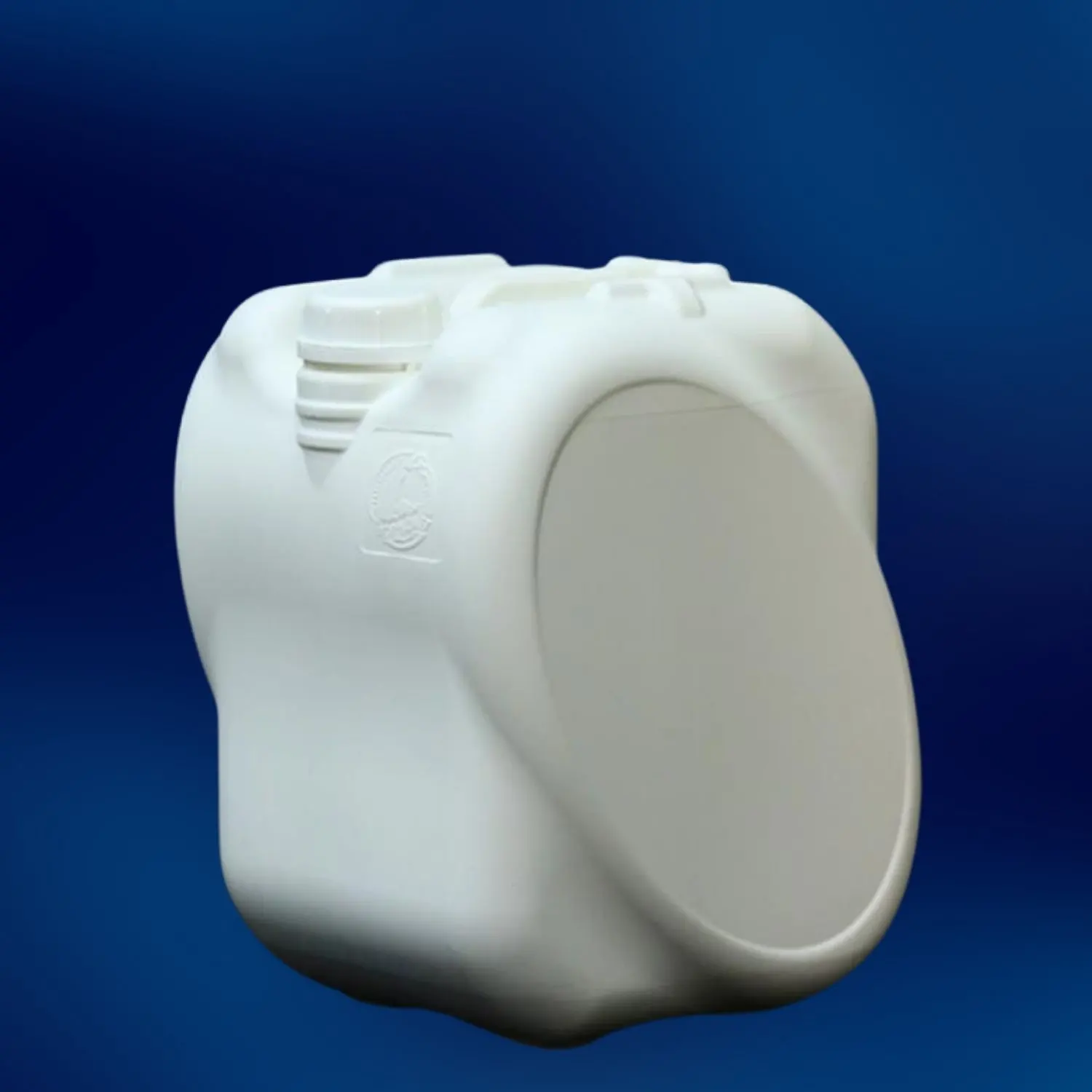
Plastic barrels are a critical packaging solution for transporting and storing liquid and solid products in industries such as chemicals, food, agriculture, and manufacturing. However, the production process of these products requires carefully planned stages and adherence to quality standards. Barrel manufacturers offer modern and efficient production processes with both technical equipment and quality control systems. In this article, we will examine the operating principles, production processes, and quality standards of barrel manufacturers in detail.
Barrel Production Processes
Barrel production consists of a sophisticated series of steps. Each step is carefully planned to ensure high-quality products and comply with international quality standards.
Raw Material Selection and Preparation The production process begins with the selection of raw materials. High-Density Polyethylene (HDPE) is the most commonly used material in this field.
Advantages of HDPE: Due to its durability, chemical resistance, and recyclability, HDPE is an ideal choice for producing plastic barrels. The raw material granules are dried before being fed into production machines to prevent defects caused by moisture during production.Extrusion and Blow Molding Technique The most common method for plastic barrel production is blow molding. This technique allows the HDPE raw material to be heated and shaped.
- Extrusion: The raw material is melted with the help of an extruder and comes out in the form of a tube.
- Blow Molding: The melted plastic tube is placed between molds and inflated with pressurized air to take the shape of the mold.
This method is ideal for the mass production of lightweight, durable, and leak-proof plastic barrels.
Cooling and Mold Removal The molded barrels are quickly cooled using cooling channels. After cooling, the plastic barrel is removed from the mold and transferred to the production line.
Cutting and Finishing Operations Any excess plastic parts that may form during molding are removed through cutting operations. After the products take their final shapes, details such as cap mouths are inspected and additional operations are applied if necessary.
Quality Control Stages Quality control is crucial at every stage of production. In particular:
- Leakage Tests: Ensuring that barrels are resistant to any liquid or gas leakage.
- Weight Control: Testing whether the products meet the standard weight requirements.
- Durability Tests: Measuring resistance to impacts, drops, and chemical substances.
Quality Standards
Plastic barrel manufacturers adhere to international quality standards to ensure that their products meet industry needs. These standards are checked at every stage of production.
Food Compatibility Standards Barrels used in the food sector must be safe for human health. Compliance with FDA (Food and Drug Administration) and the European Union's food-contact standards is required.
Chemical Resistance Certifications Barrels used in the chemical industry must be resistant to chemical reactions. Therefore, HDPE’s compatibility with chemicals is tested and secured with the necessary certifications.
Eco-Friendly Production The use of recyclable HDPE in production forms the basis for eco-friendly manufacturing. Energy-efficient machines are used to reduce the carbon footprint.
ISO Standards
- ISO 9001: Quality management system standards.
- ISO 14001: Environmental management system practices.
Advantages Provided by Barrel Manufacturers
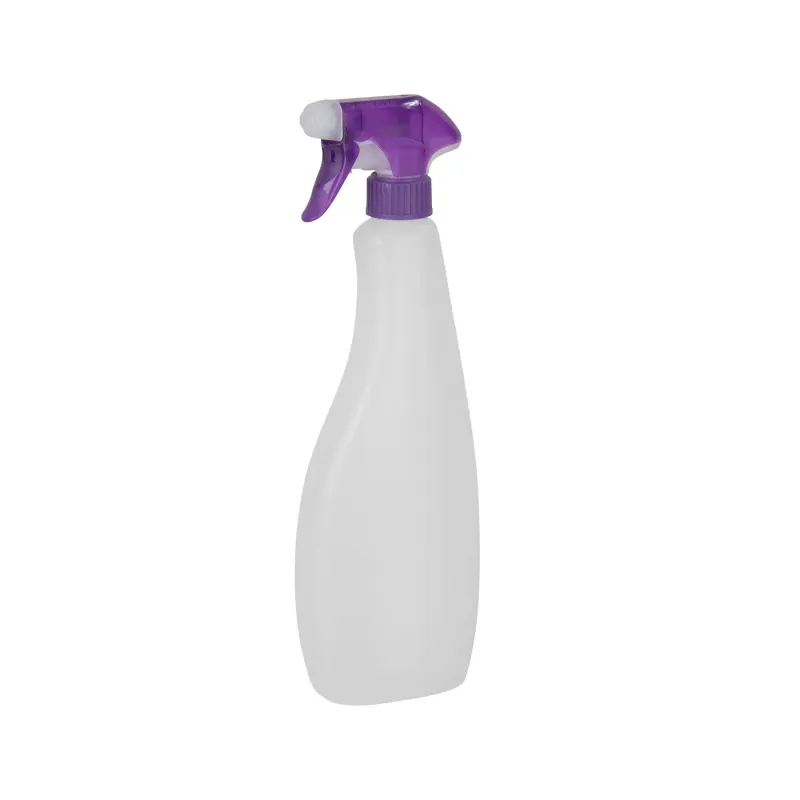
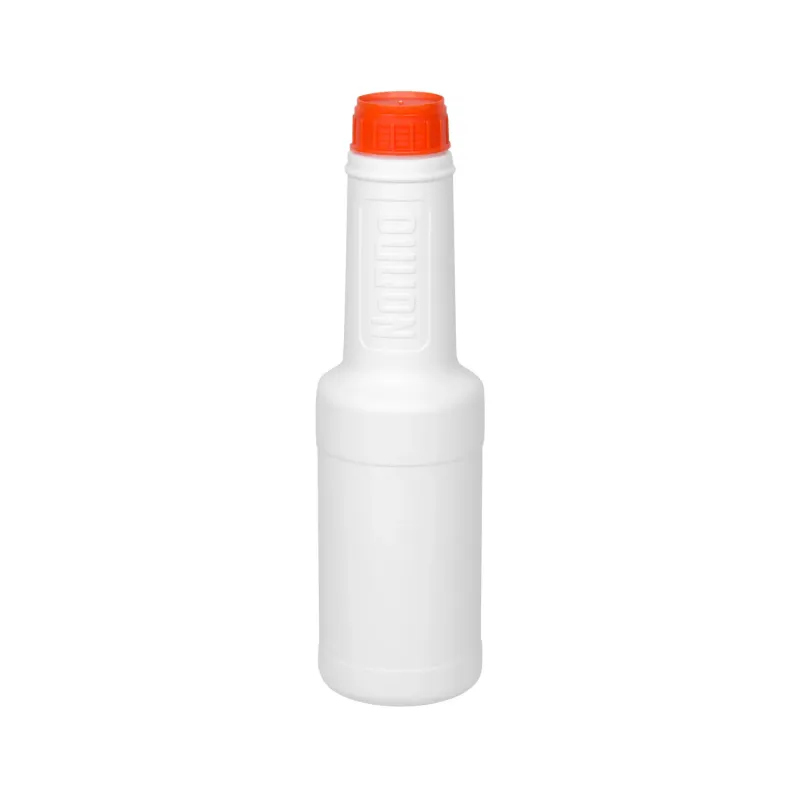
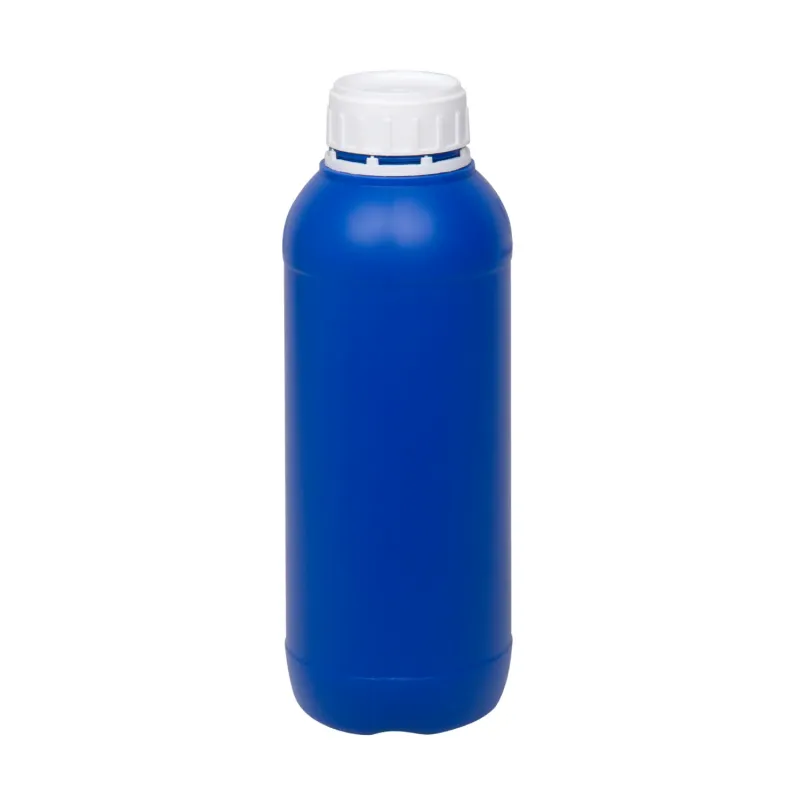
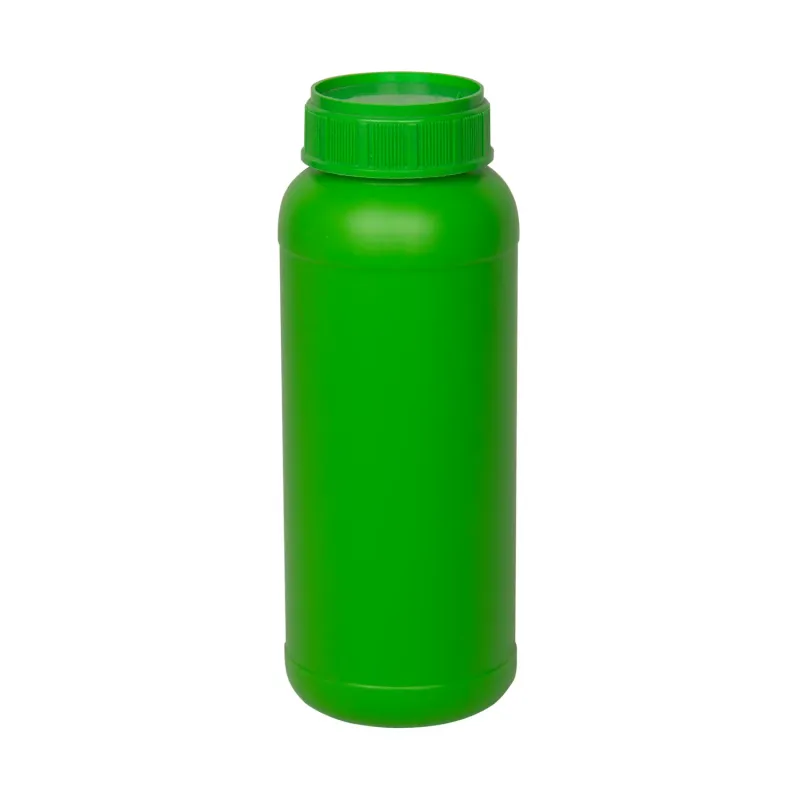
- Capacity Variety: Plastic barrels are produced in various capacities, ranging from 250 ml to 60 liters.
- Sector-Specific Solutions: Custom designs are made to meet the special needs of the food, chemical, and agricultural sectors.
- Durability: HDPE barrels are resistant to impacts, chemicals, and harsh environmental conditions.
- Flexible Design: The variety in shapes and sizes caters to all transportation and storage needs.
- Cost-Effective and Recyclable: Plastic barrels offer affordable solutions while contributing to environmental sustainability.
Plastic barrel manufacturers combine modern technologies and quality standards to produce products that meet the needs of various industries. The use of HDPE material in the production process provides both an economical and environmentally friendly solution due to its durability and recyclability. These products, which are critical for sectors like food, chemicals, and agriculture, provide long-lasting use and safe transport through quality manufacturing processes. The diversity and reliability offered by barrel manufacturers continue to be indispensable in the industrial packaging field.