
 Türkçe
 ENGLISH
 РУССКИЙ
 Français
 عربي
عربي Română
 Deutsch
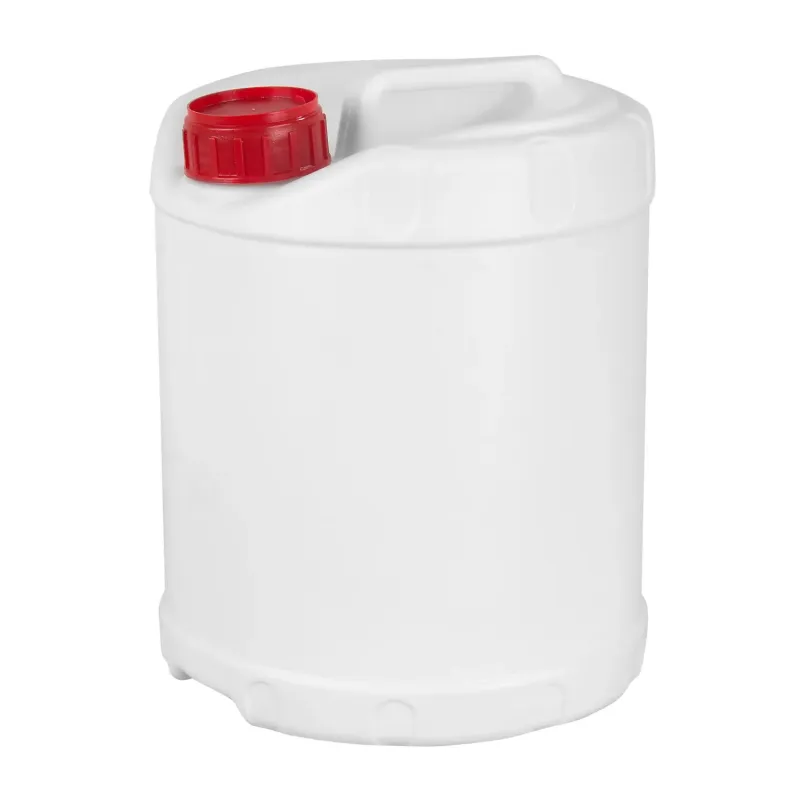
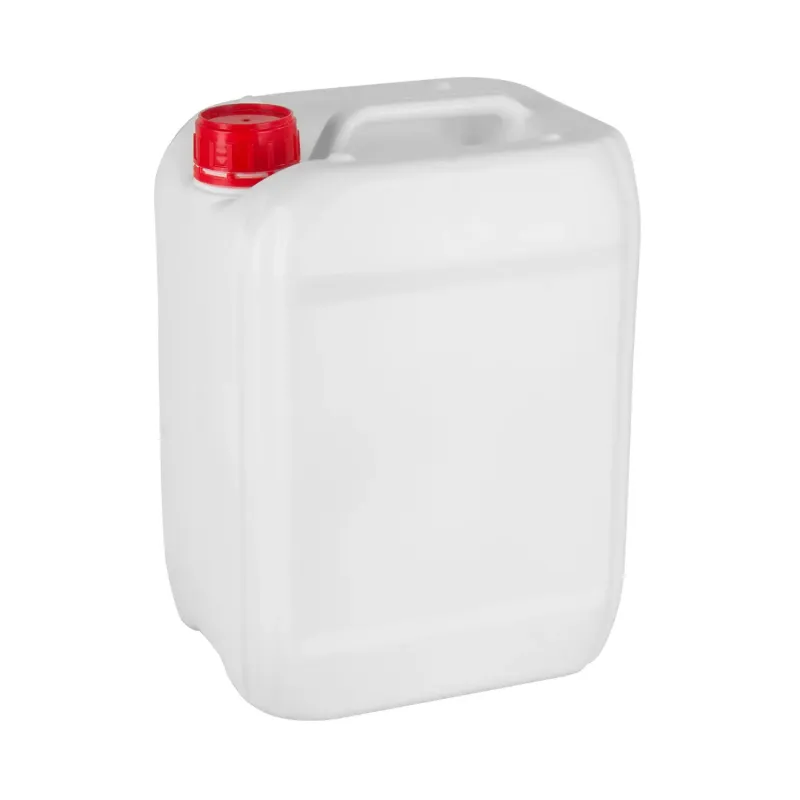
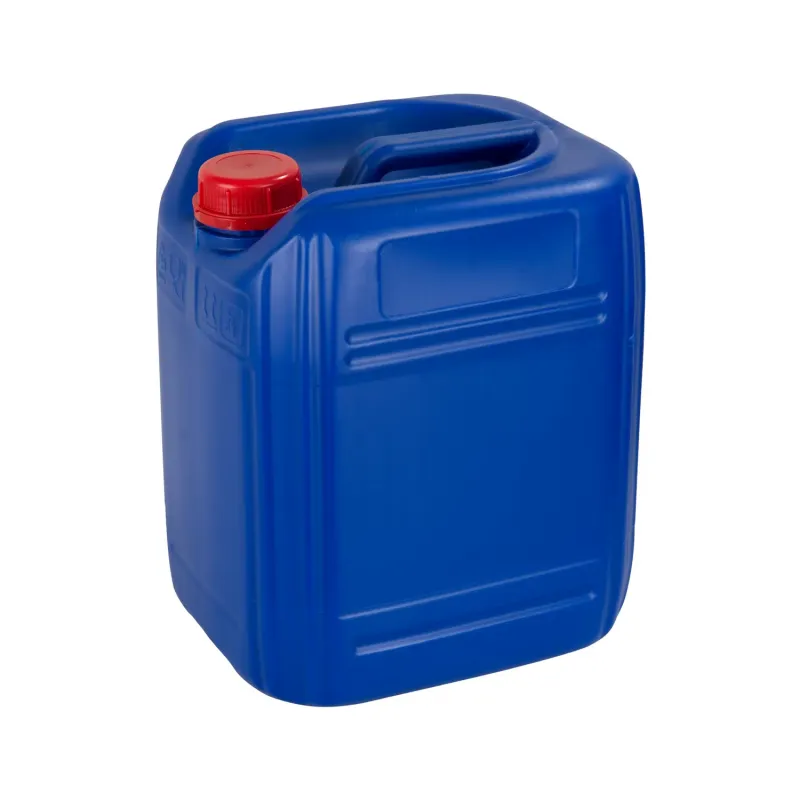
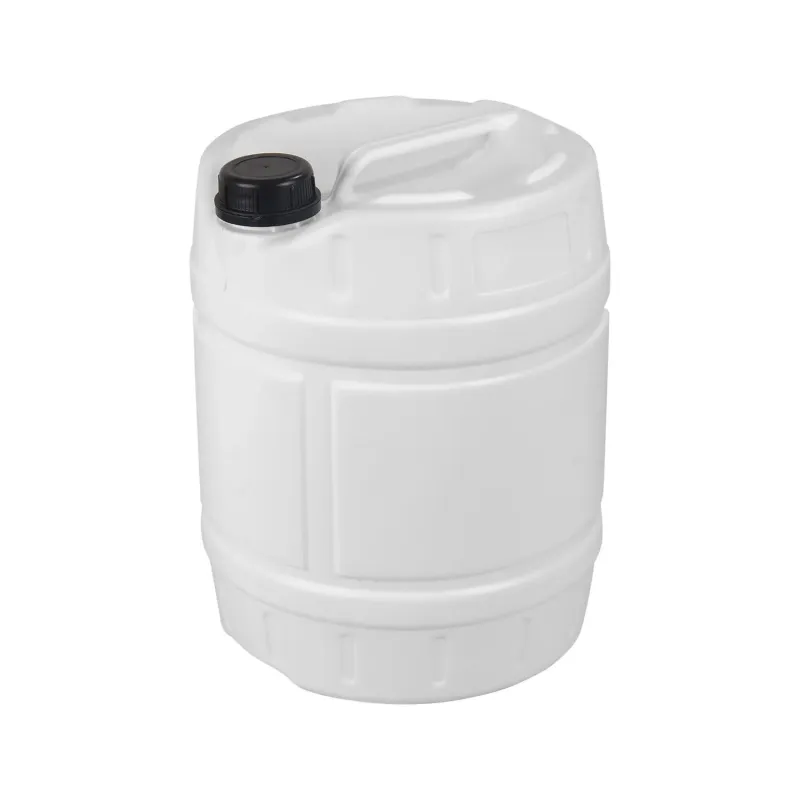


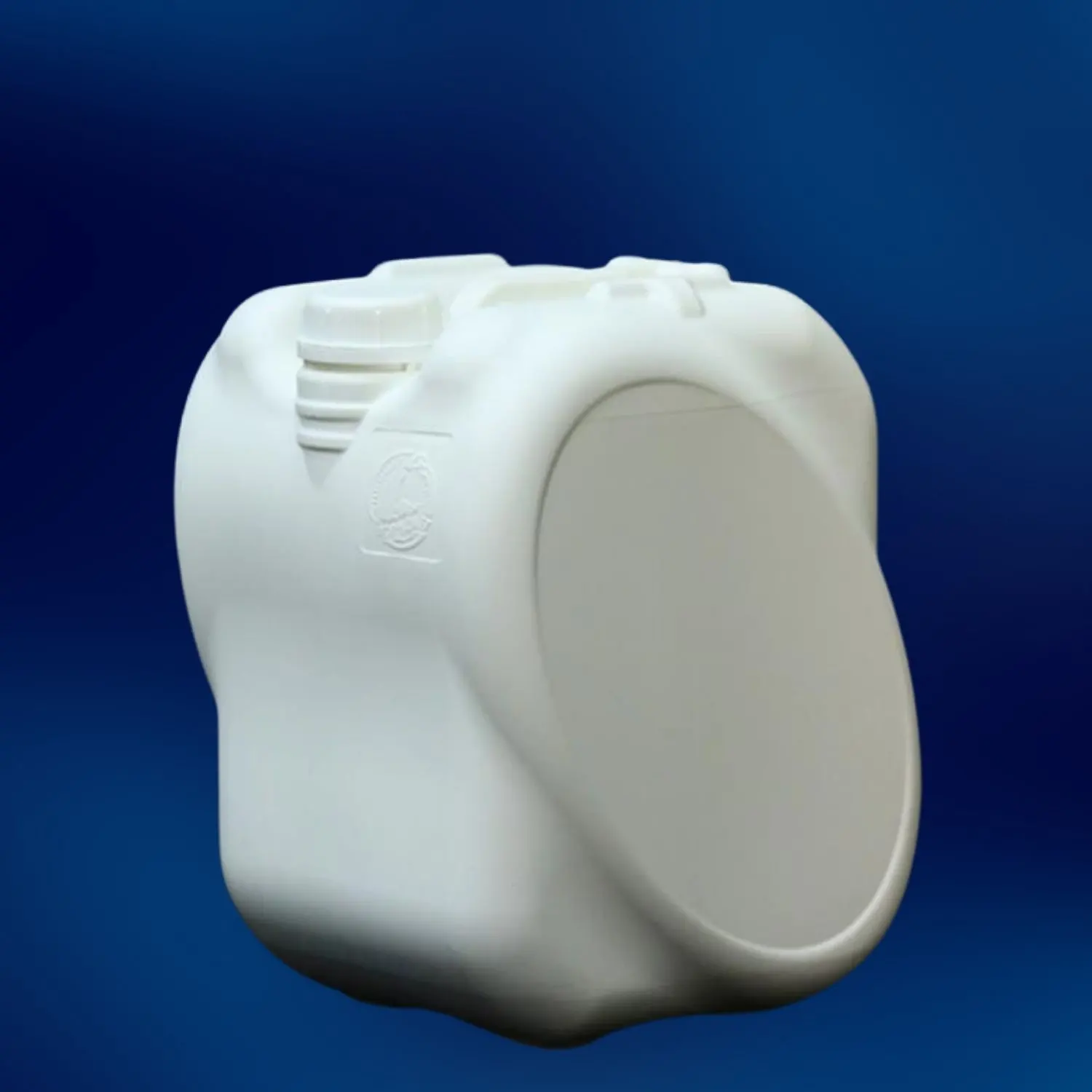
Material Selection in Plastic Drums: Which Plastic Type is Suitable for Which Application?

Material Selection in Plastic Drums: Which Plastic Type is Suitable for Which Application?
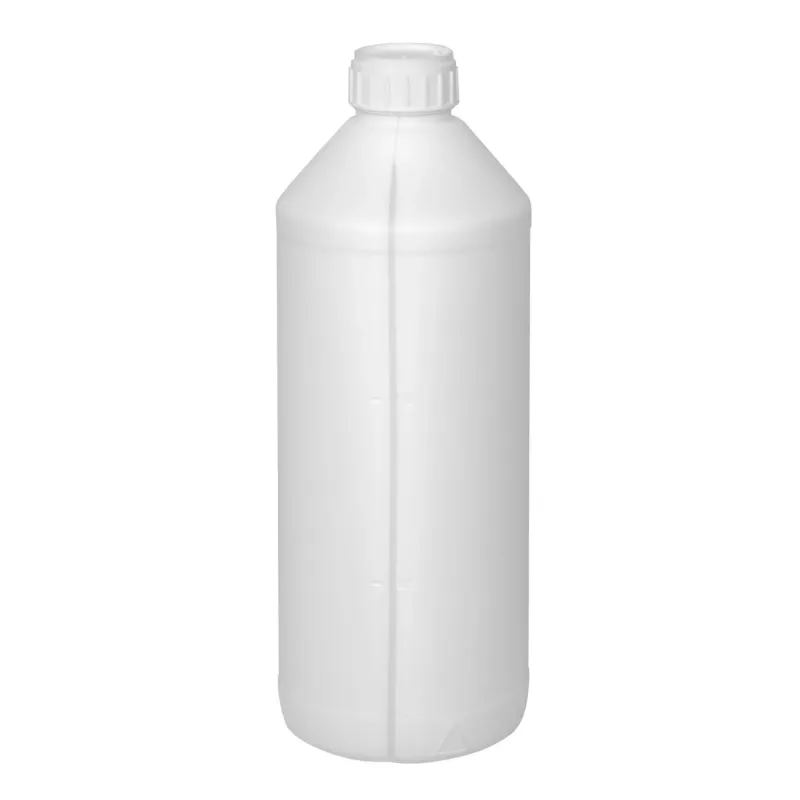
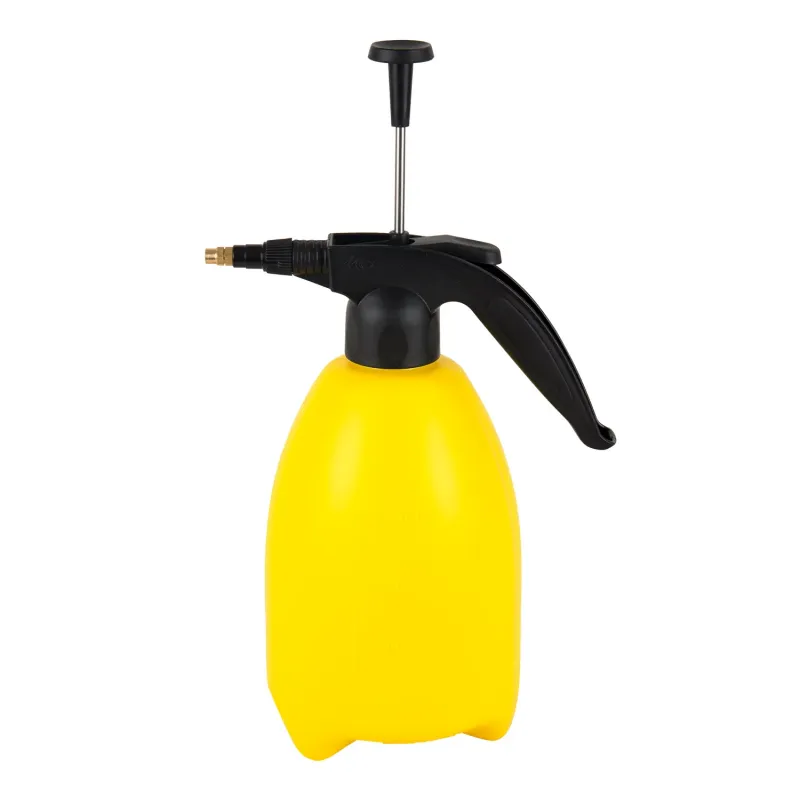
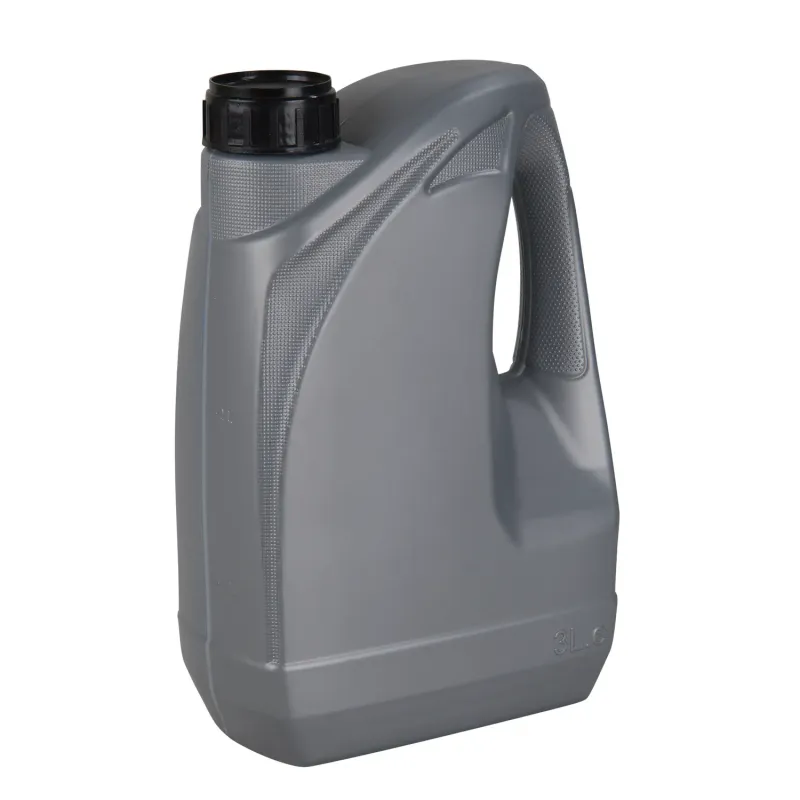
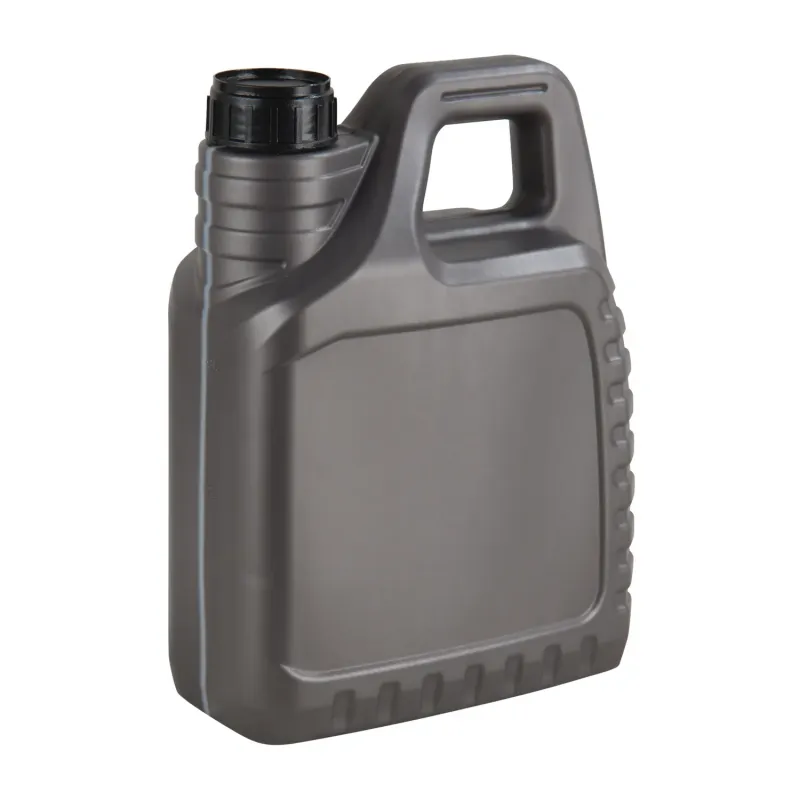
Material selection in plastic drums is a critical issue to meet the needs of various industries. Each type of plastic is distinguished by specific properties and levels of durability. In this article, we will examine the primary materials used in the production of plastic drums and their suitability for different applications.
1. Importance of Material Selection in Plastic Drums
Plastic drums are widely used across a range of sectors, from agricultural chemicals to food, from chemicals to industrial products. Therefore, the choice of material is the most critical factor determining what product the drum will carry, how durable it will be, and whether it will protect the product safely throughout its use. Selecting the right type of plastic ensures product safety and has significant implications for cost and environmental impact.
2. Materials Used in Plastic Drum Production
Several key materials are commonly used in the production of plastic drums. Among these, polypropylene (PP), polyethylene (PE), and high-density polyethylene (HDPE) stand out. Each has unique properties and applications.
2.1 Polypropylene (PP)
Polypropylene is a type of plastic known for its durability and lightweight nature. It is highly resistant to chemicals, making it widely used for the transport and storage of chemicals.
- Advantages: Can withstand high temperatures, is resistant to chemical substances, and does not contain toxic materials.
- Applications: Agricultural chemicals, chemicals, food, and pharmaceutical industries. PP is considered a healthy option for materials in contact with food.
2.2 Polyethylene (PE)
Polyethylene is known as a flexible and durable material. It comes in two main types: low-density polyethylene (LDPE) and high-density polyethylene (HDPE). Polyethylene is often preferred to prevent issues like impact and cracking during transportation.
- Advantages: Lightweight, flexible, and impact-resistant. Additionally, it is resistant to most chemicals.
- Applications: Ideal for chemicals, detergents, and various cleaning products. Its HDPE derivative is harder and more durable, making it widely used for transporting industrial and agricultural products.
2.3 High-Density Polyethylene (HDPE)
HDPE is a more durable and high-density version of polyethylene. It is known for its high strength, rigidity, and superior resistance to chemicals.
- Advantages: Resistant to temperature changes and has a rigid structure. It is highly suitable for chemical substances.
- Applications: Preferred for the storage of agricultural chemicals and chemical products. It can also be used in the food industry, providing long-lasting solutions thanks to its durable structure.
3. Which Plastic Type is Suitable for Which Application?
Producing a plastic drum with the right material is crucial to ensure it protects the product inside and has a long service life. The selection of appropriate plastic types for different applications plays a critical role in the safety and durability of the transported product.
3.1 Plastic Drum Selection in the Food Sector
The food sector requires food-grade plastics due to their direct impact on human health. In this sector, non-toxic, BPA-free plastics that comply with hygiene standards should be preferred. One of the most commonly used plastics in the food industry is PP. PP is frequently chosen for transporting and storing food products because it is both safe and durable.
3.2 Plastic Drum Selection for Transporting Chemicals
Plastic drums used for transporting and storing chemicals must not damage the structure of the chemicals or cause chemical reactions. HDPE and PP are the most preferred types of plastic in the chemical industry due to their high resistance to chemicals. In particular, HDPE is an ideal choice for safely transporting chemical substances.
3.3 Plastic Drum Selection in Agricultural Products
Agricultural chemicals, fertilizers, and other agricultural products require plastic drums resistant to chemicals for transportation and storage. PP and HDPE materials stand out in the agricultural sector. UV-resistant PP drums can be preferred when agricultural chemicals need protection from sunlight.
3.4 Plastic Drum Selection in Industry and Heavy-Duty Products
Plastic drums used for the transportation and storage of industrial products must typically withstand heavy-duty conditions. HDPE and polyethylene offer suitable solutions for industrial products. The rigid structure of HDPE provides an advantage for transporting and protecting heavy industrial products.
4. Quality and Safety Standards in Plastic Drums
The materials used in the production of plastic drums must comply with appropriate quality standards to ensure the safety of the transported product. Plastic drums used in the food and chemical sectors must meet certain quality standards. While FDA-approved plastics are preferred for food products, plastics that meet hazardous material transportation standards should be used for chemical products.
5. Environmental Impacts and Recycling
Plastic drums cause less harm to the environment when produced from recyclable materials. Plastics such as HDPE and PP offer high efficiency in the recycling process. In particular, drums carrying chemical substances should be recycled correctly. Recycling such plastics contributes to the preservation of natural resources and the reduction of waste.
6. Conclusion
Material selection in plastic drums is critical to meeting the needs of different sectors and ensuring product safety. Materials such as polypropylene (PP), polyethylene (PE), and high-density polyethylene (HDPE) offer ideal options for different applications, thanks to their unique properties. By choosing drums made from the correct plastic type, the food, chemical, agricultural, and industrial sectors can enhance product safety and minimize environmental impacts.
As awareness of the types of materials used in plastic drum production increases, it becomes possible to offer safer and longer-lasting solutions. Each sector can achieve cost advantages while improving quality and safety by selecting plastic materials suitable for the characteristics of the transported product.