
 Türkçe
 ENGLISH
 РУССКИЙ
 Français
 عربي
عربي Română
 Deutsch






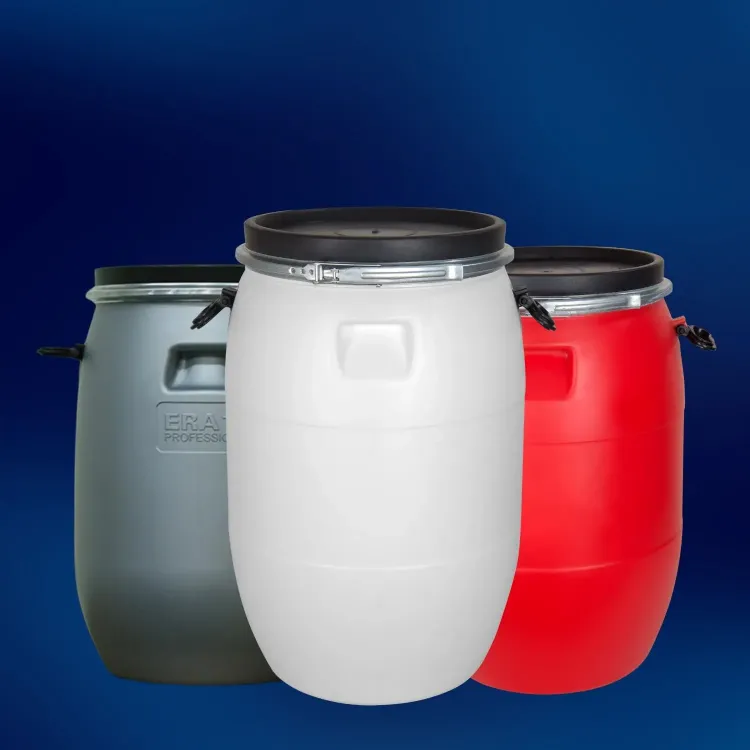



Recycling of HDPE Material: Sustainable Solutions and Environmental Contributions

Recycling of HDPE Material: Sustainable Solutions and Environmental Contributions
HDPE (High-Density Polyethylene) is a thermoplastic material with wide applications due to its durability, lightness, and chemical resistance. This material is also known for its recyclability, which minimizes environmental impacts. HDPE recycling plays a significant role in conserving natural resources and reducing plastic waste. This process provides eco-friendly solutions as part of a sustainable production and consumption cycle.
Importance of HDPE Recycling
- Reduction of Environmental Impacts
Plastic waste can persist in the environment for many years without decomposing. When HDPE material is not recycled, it can end up in landfills and oceans, contributing to environmental pollution. Through HDPE recycling:
- The harm caused by plastic waste to nature is reduced.
- The protection of oceans and ecosystems is ensured.
- Energy and Resource Savings
The production of new HDPE requires fossil fuels like oil and natural gas. However, the recycling process consumes much less energy and helps preserve natural resources.
- Recycled HDPE usage reduces energy consumption by up to 50%.
- Minimizing raw material needs extends the lifespan of natural resources.
- Economic Value Creation
The HDPE recycling industry creates significant economic opportunities. Waste collection, recycling plants, and manufacturing processes generate new employment opportunities. Moreover, using recycled HDPE provides cost advantages to manufacturers.
HDPE Recycling Process
Recycling HDPE requires following specific steps carefully. The process works as follows:
- Collection
HDPE waste is collected from special recycling bins, waste collection centers, or industrial facilities. Common HDPE waste includes:
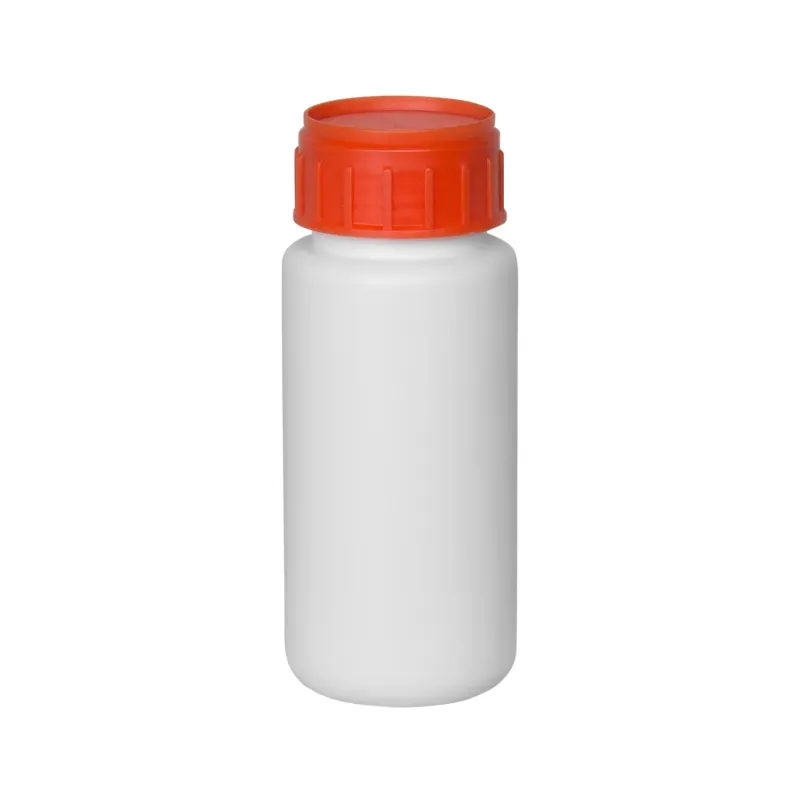
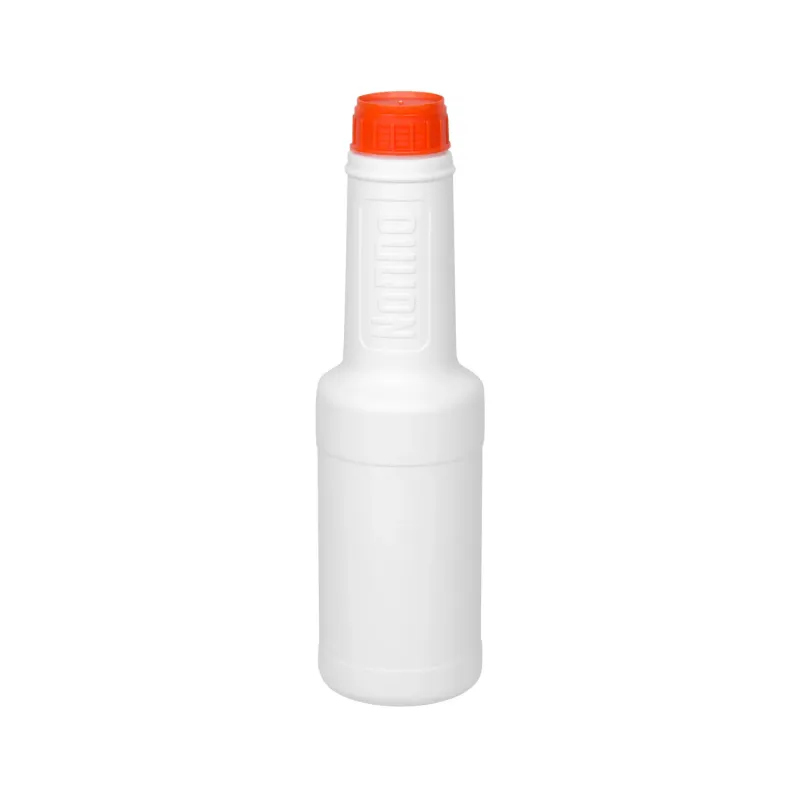
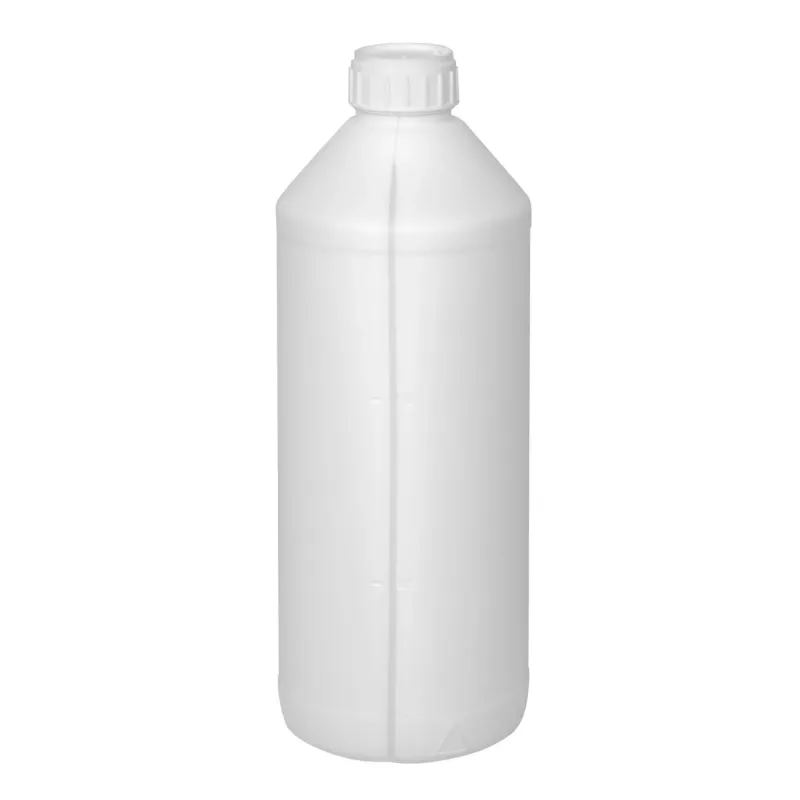
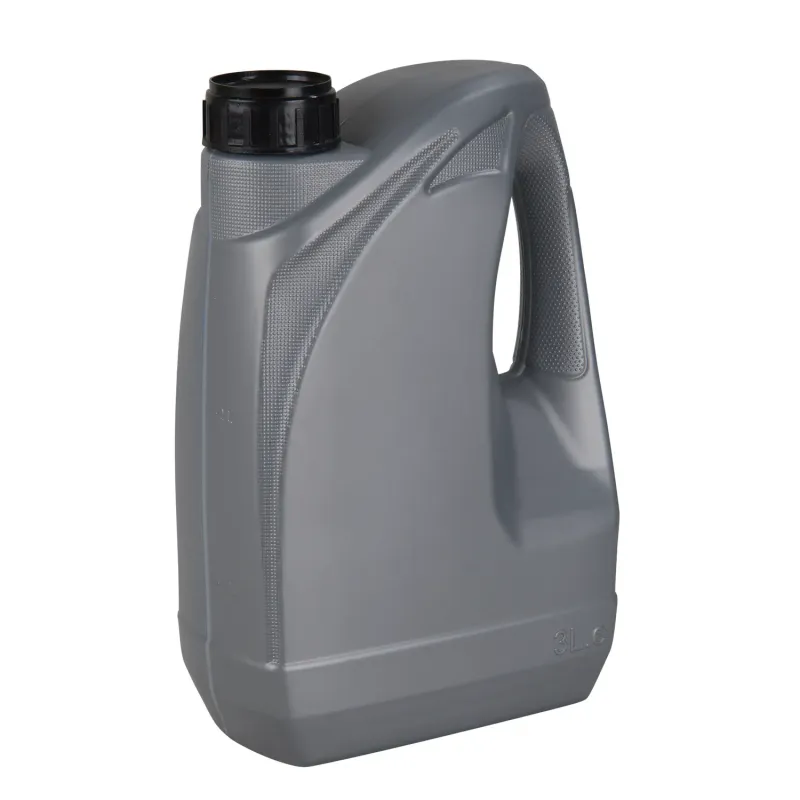
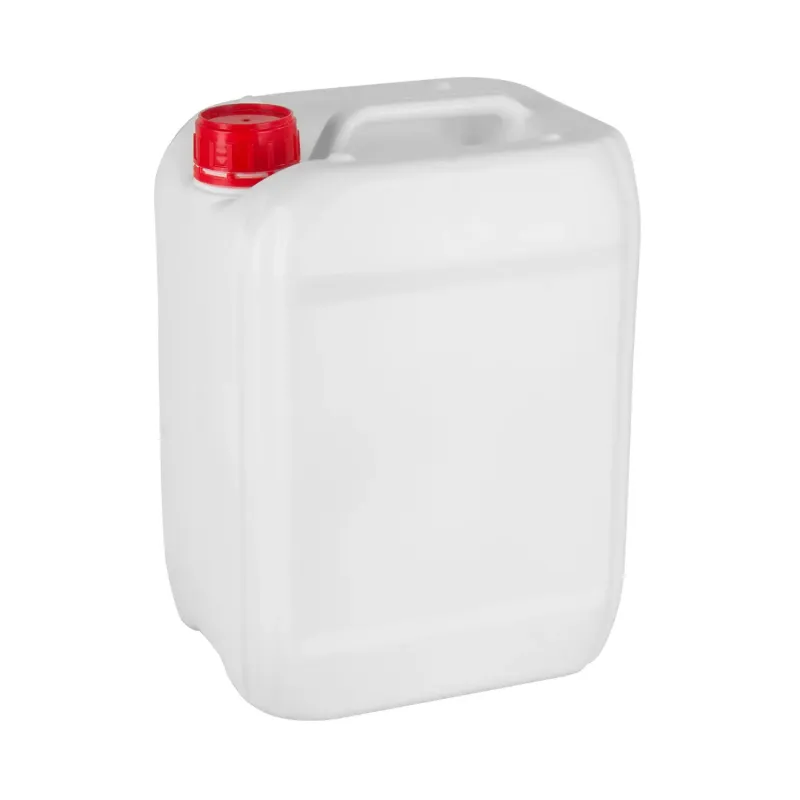
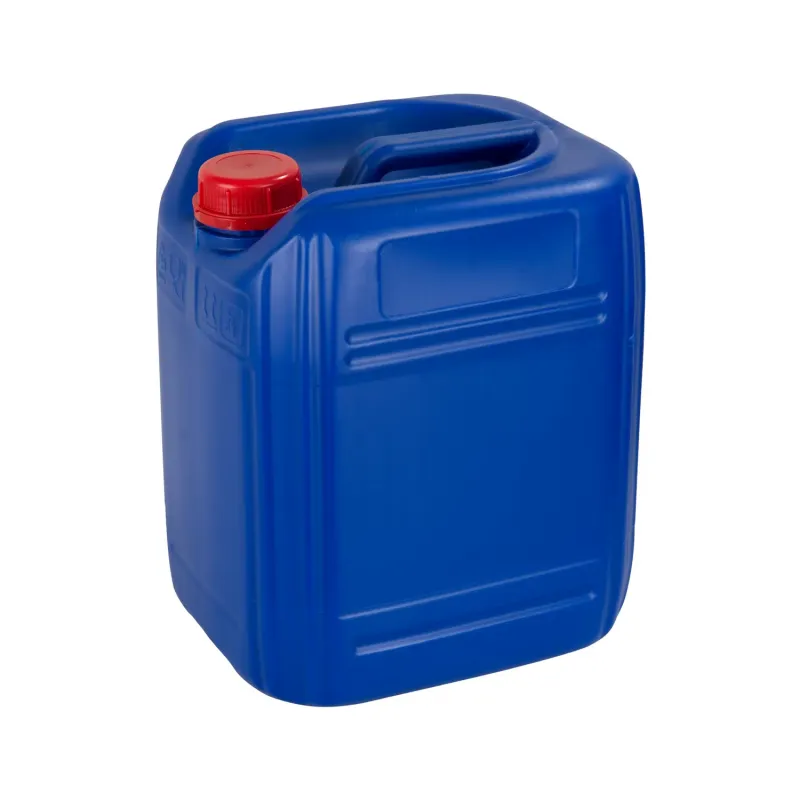
- Plastic bottles and containers
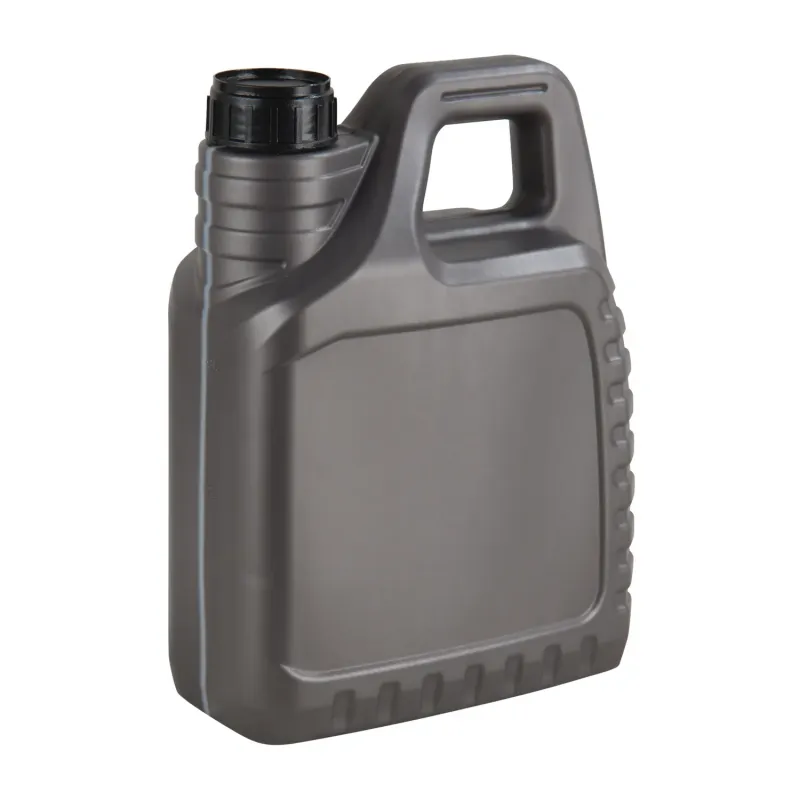
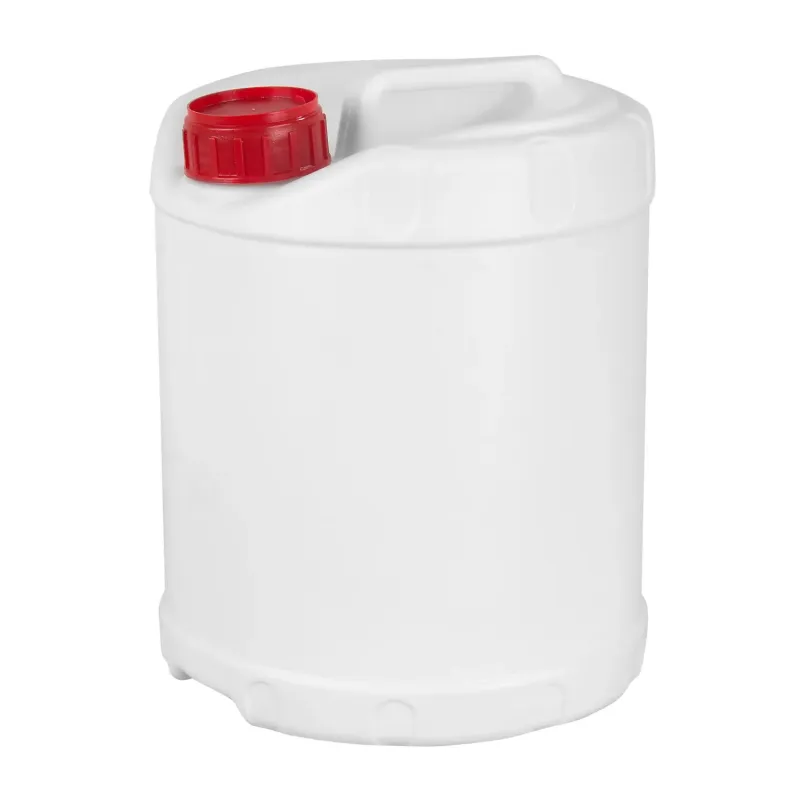
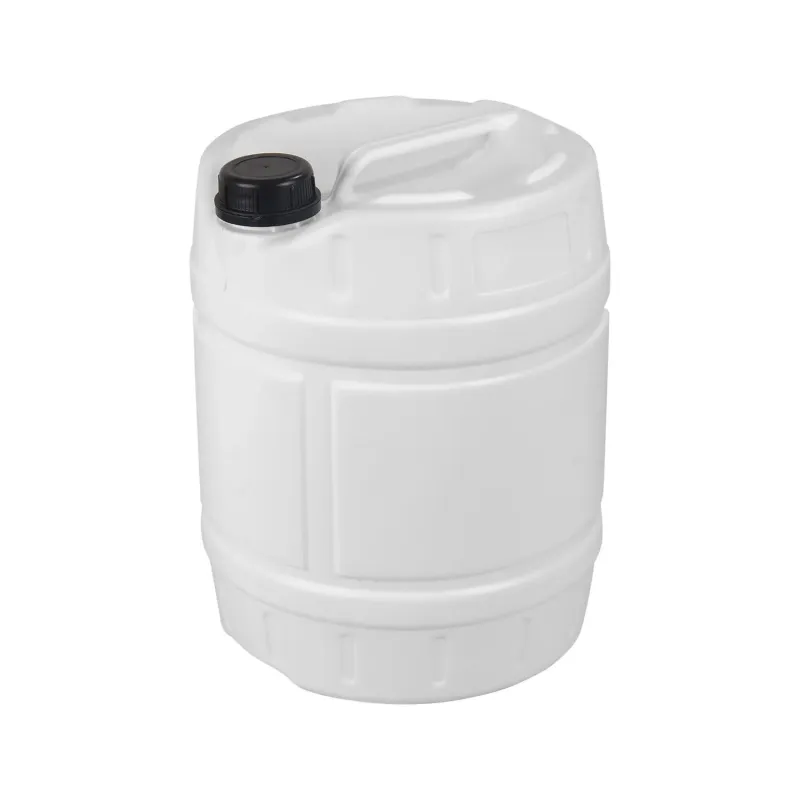
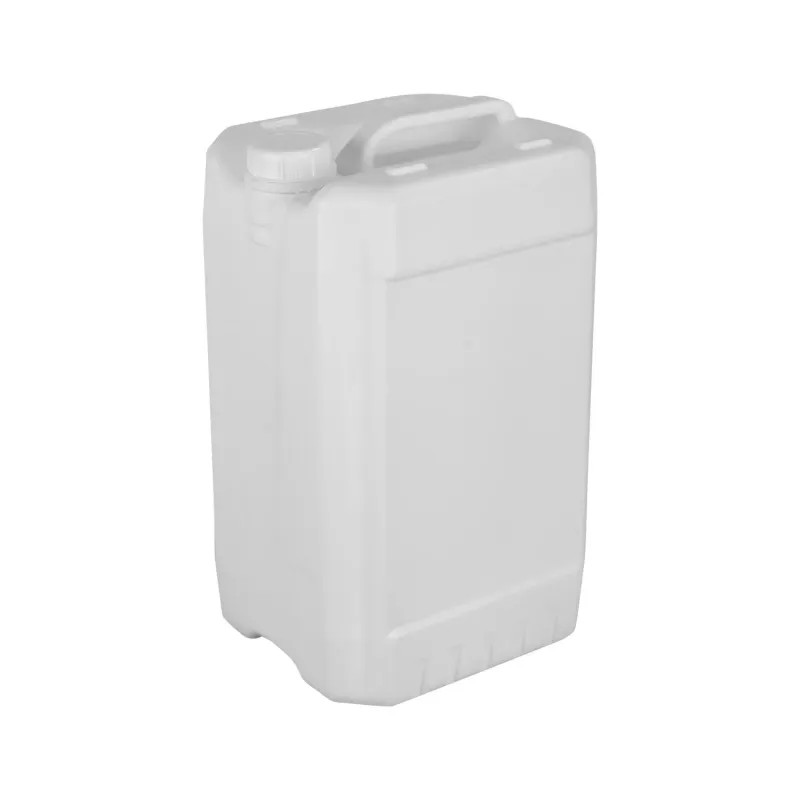
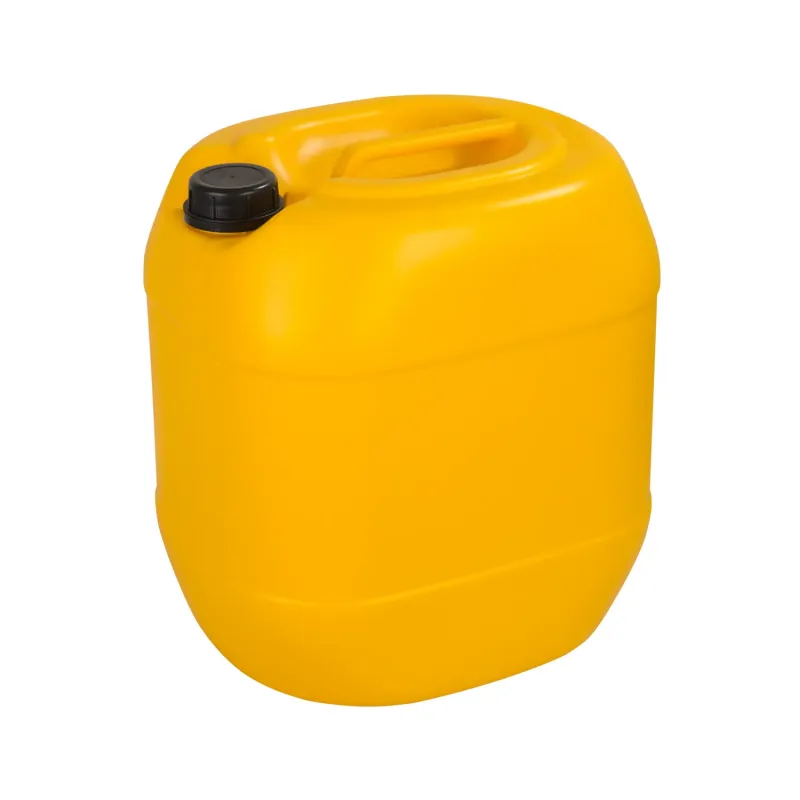
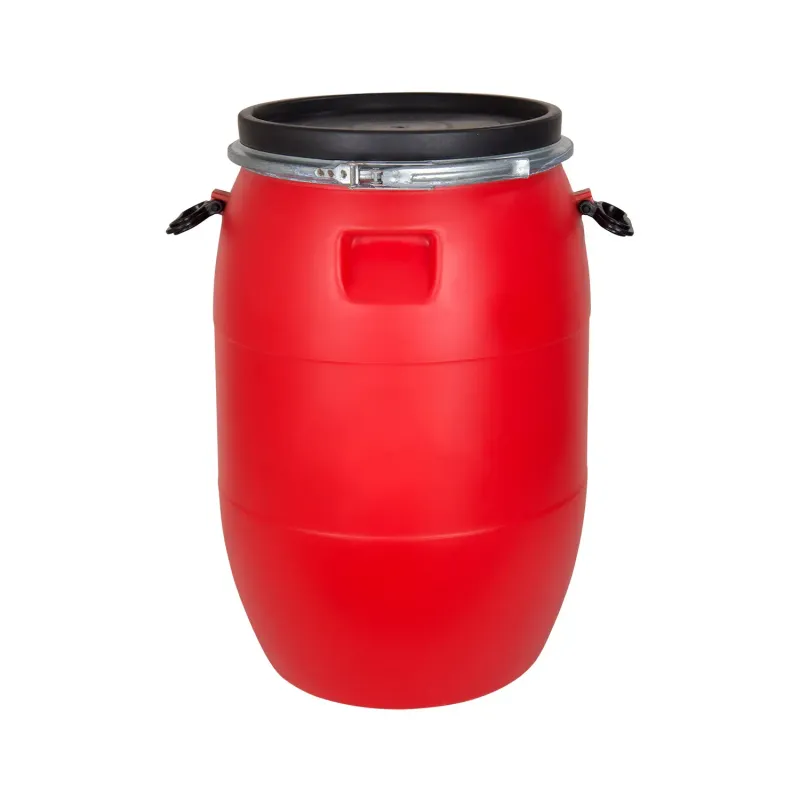
- Caps and barrels
- Packaging for food and cleaning products
Separation and Sorting
Collected HDPE waste is sorted based on its types and colors. This step ensures that higher quality material is obtained during the recycling process.Cleaning
HDPE waste is cleaned of any chemical residues, labels, and dirt. The cleaning process is crucial for making the material reusable.Shredding and Granulation
Cleaned HDPE waste is shredded into small pieces. These pieces are then melted and converted into granules. These granules are used as raw material in the manufacturing processes for recycled HDPE (rHDPE).Re-manufacturing
Recycled HDPE granules are used to produce new products. These products include plastic bottles, pipes, containers, trash bins, and furniture materials.
Applications of Recycled HDPE
Recycled HDPE (rHDPE) regains its durability and functionality and finds new life in various sectors:
- Packaging Products: Detergent bottles, plastic containers, and cleaning product packaging.
- Infrastructure Materials: Sewer and irrigation pipes.
- Garden Furniture: Benches, chairs, and table sets made from recycled HDPE.
- Trash Bins and Recycling Bins: The durability of HDPE is a great advantage in these products.
- Automotive Industry: Car parts, fuel tanks, and protective coatings.
Advantages of HDPE Recycling
- Contributes to Zero Waste Goals: Plays a significant role in achieving circular economy objectives.
- Preserves Natural Resources: Reduces the need for new plastic production.
- Saves Energy: The recycling process significantly reduces energy consumption.
- Provides Cost Advantages: Manufacturers can lower production costs by using recycled HDPE.
- Reduces Carbon Footprint: Contributes to environmental sustainability by reducing greenhouse gas emissions.
Recycling HDPE material is crucial for achieving a sustainable future. This process offers significant benefits both economically and environmentally, reducing plastic waste, saving energy, and preserving natural resources. Recycled HDPE continues to be a cornerstone of next-generation manufacturing processes, offering a powerful alternative for eco-friendly solutions.
Correct collection of HDPE waste, raising recycling awareness, and advancing industrial-scale recycling technologies are among the most important steps toward creating a cleaner and more sustainable world.