
 Türkçe
 ENGLISH
 РУССКИЙ
 Français
 عربي
عربي Română
 Deutsch
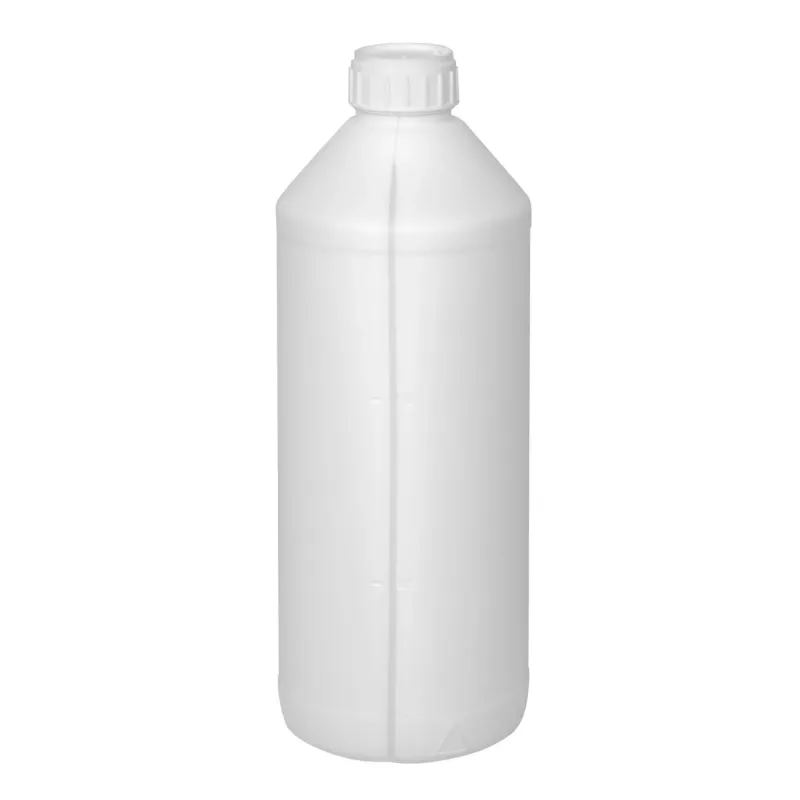
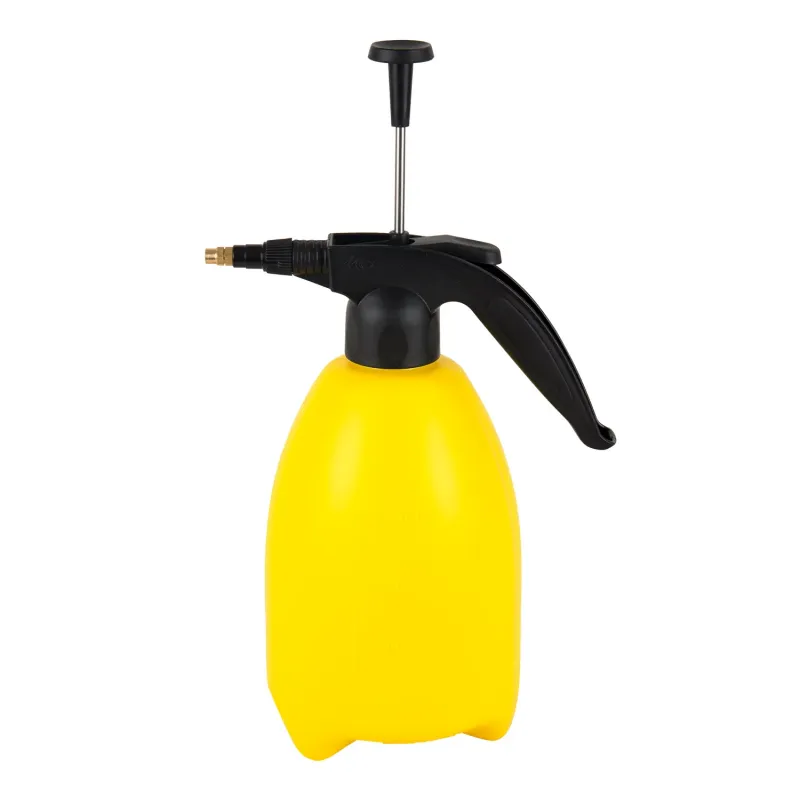
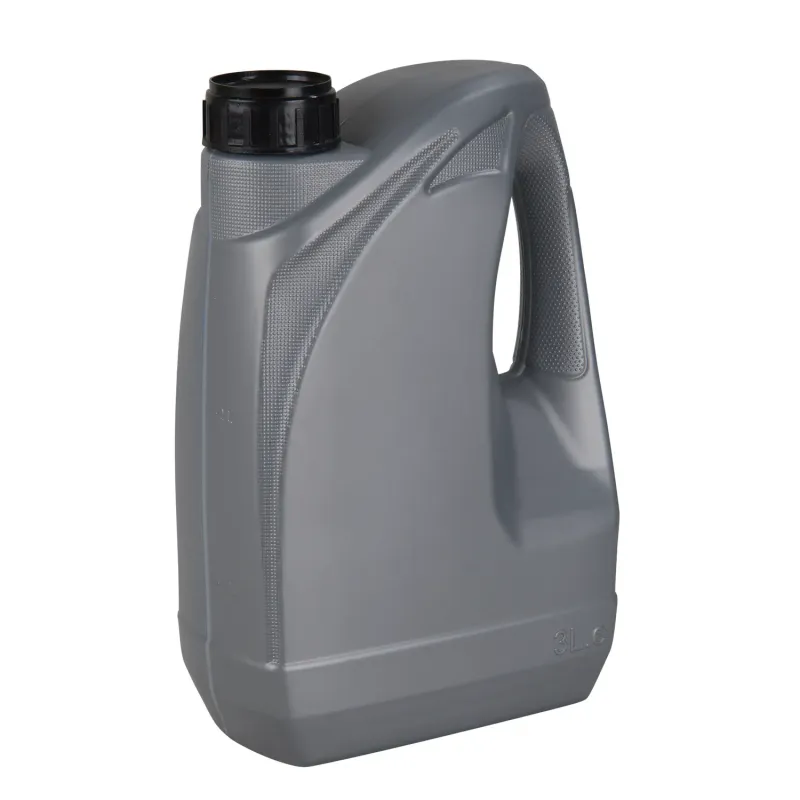
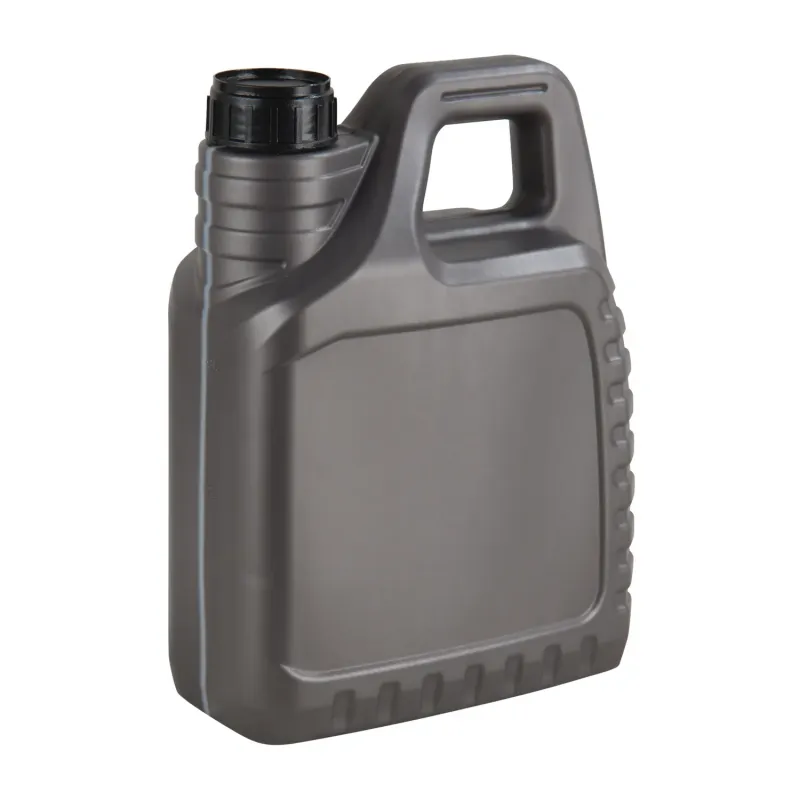
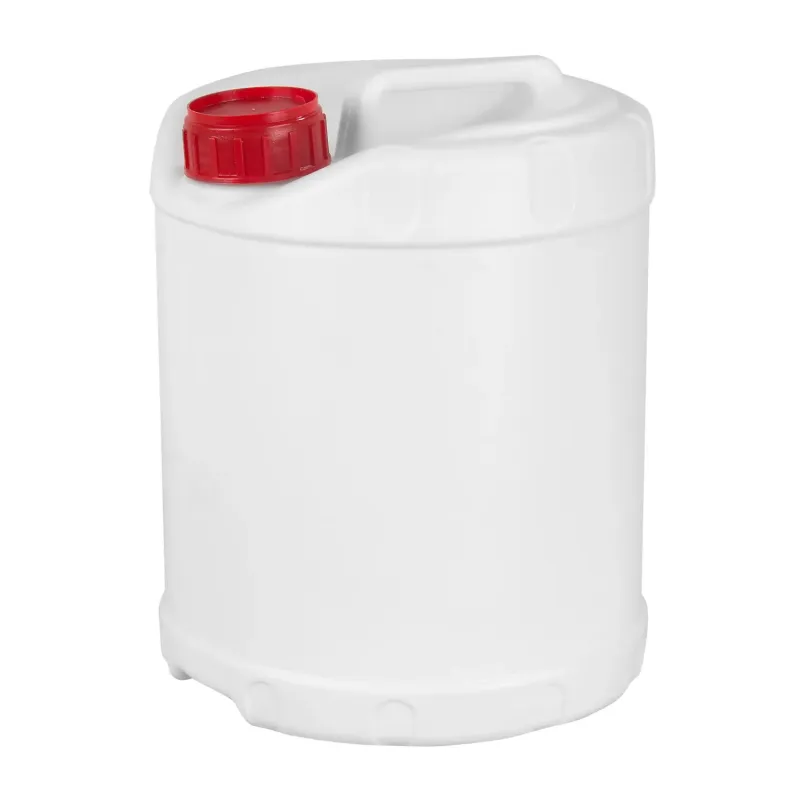
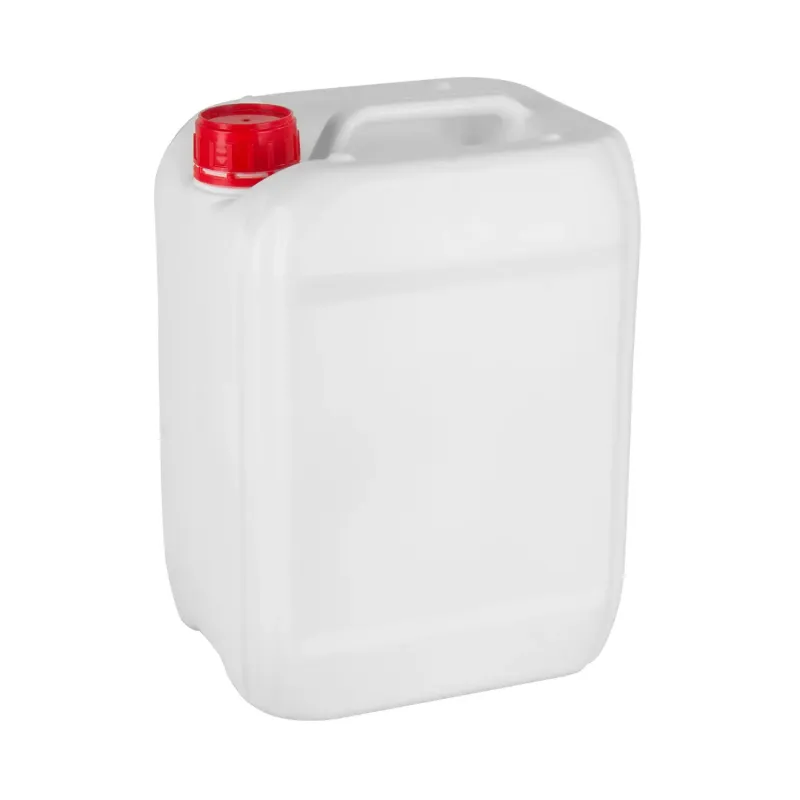
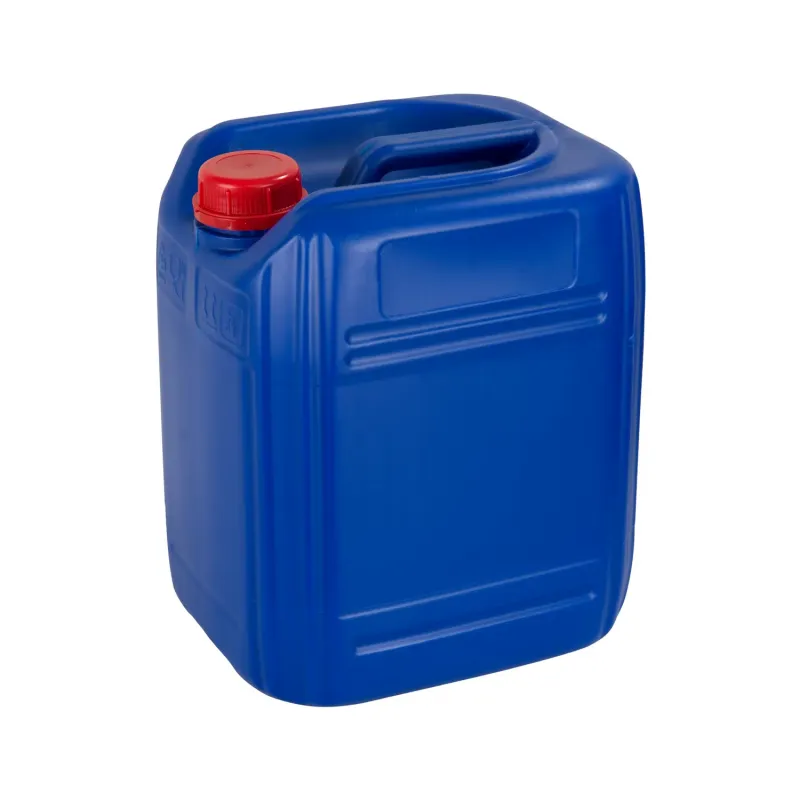
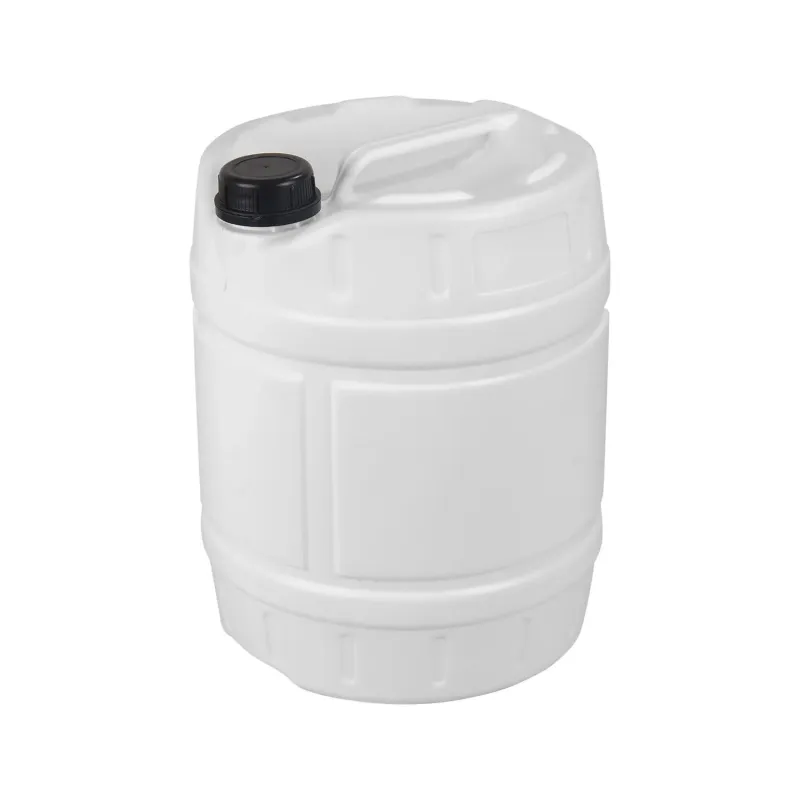


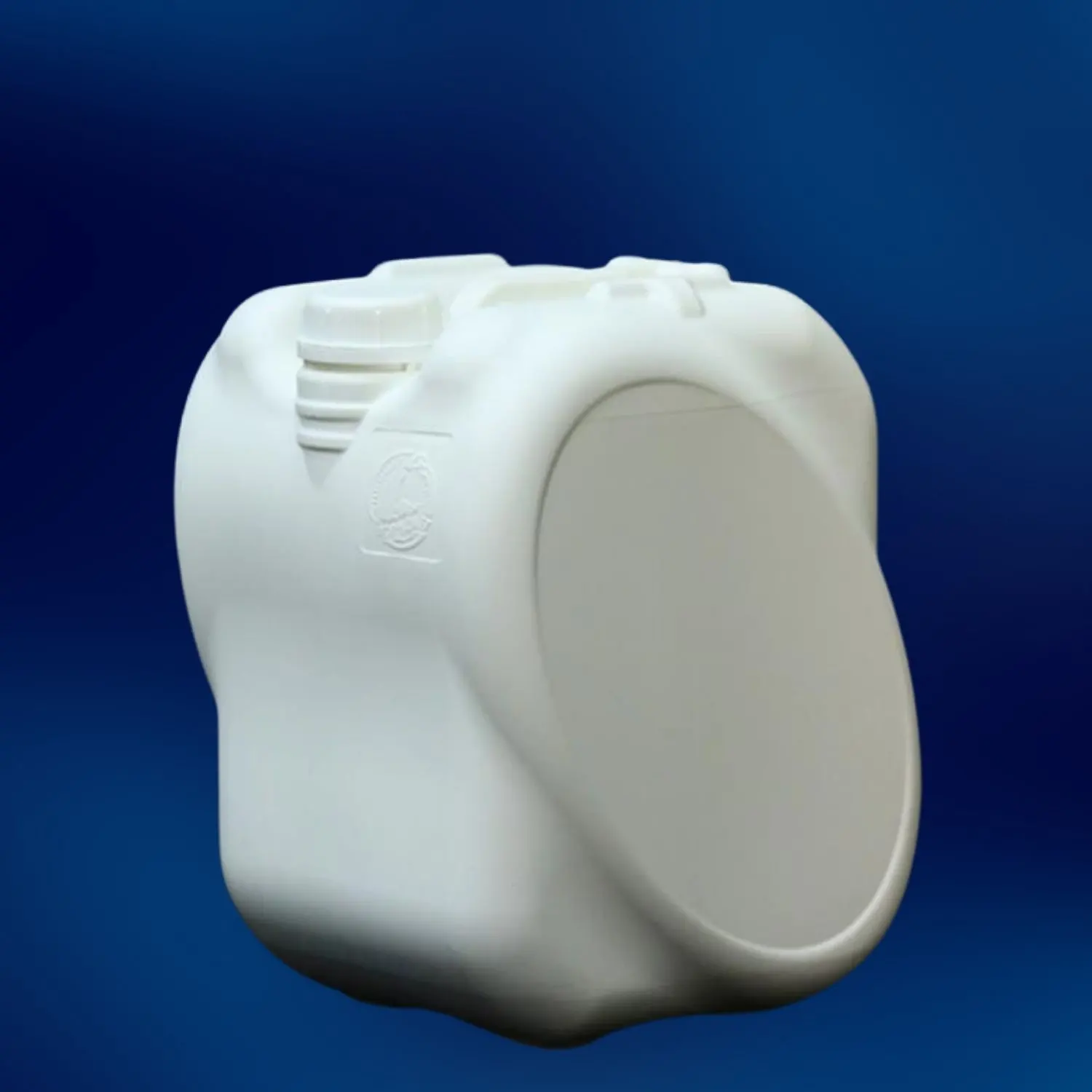
Reliable Storage for Chemicals: How is Chemical Resistance Achieved in Plastic Drums?

Reliable Storage for Chemicals: How is Chemical Resistance Achieved in Plastic Drums?
Chemicals play a critical role in industries such as manufacturing, agriculture, cleaning, and many others. However, ensuring their safe storage, transportation, and usage is essential to prevent serious health risks. The safe storage of chemicals can only be achieved by using the correct materials and technologies. Plastic drums offer ideal storage solutions for chemicals; however, for these solutions to be effective, the right type of plastic and durability characteristics must be considered.
This article will examine in detail how chemical resistance in plastic drums is achieved for the safe storage of chemicals.
The Importance of Chemical Resistance in Plastic Drums Leaks, reactions, or degradation during the storage of chemicals can cause significant damage to the environment and human health. Therefore, the storage equipment used for chemicals—particularly plastic drums—must be durable and reliable. Plastic drums provide ideal solutions for chemicals due to their portability, light weight, and low cost. However, the chemical resistance of the plastic material is crucial for safely storing chemicals.
Best Plastic Materials for Chemical Resistance Plastic drums can be designed to resist various chemicals. However, not every type of plastic is equally resistant to all chemicals. Below are plastic materials with high chemical resistance, commonly used in chemical storage:
2.1 High-Density Polyethylene (HDPE) HDPE is a plastic material that shows high resistance to chemicals. This feature ensures that HDPE is resistant to chemical leaks or reactions with the plastic. Particularly acidic and alkaline chemicals can be safely stored in HDPE plastic drums, which offer both solubility and durability. Furthermore, HDPE is resistant to UV rays and impacts, helping to safely store chemicals.
2.2 Polypropylene (PP) Polypropylene is another plastic material with high chemical resistance. It is especially resistant to high temperatures and corrosive chemicals. PP is suitable for acidic and basic solutions as well as oils and solvents. This material is also commonly used in the food and pharmaceutical industries because it has properties that are not harmful to human health.
2.3 Polyethylene (PE) Polyethylene is a durable and flexible plastic. Its subtypes, such as HDPE and LDPE (low-density polyethylene), offer resistance to chemicals, although they are less durable than HDPE. This material can be preferred as a lightweight and cost-effective option that provides basic protection against chemicals. Additionally, PE is safe for storing many solvents, bases, and acids.
2.4 PVC (Polyvinyl Chloride) PVC is a material that exhibits good resistance to most chemicals. It is especially resistant to water, salt solutions, alcohols, and some organic chemicals. However, PVC is not recommended for some acidic and basic solutions, making it unsuitable for all types of chemicals. The advantage of PVC is that it is low-cost and generally stable under low temperature conditions.
- Plastic Drum Design for Chemical Storage For chemicals to be stored safely, plastic drums must not only be made with the correct materials but also have design features that align with chemical resistance. Some important factors to consider in the design of plastic drums include:
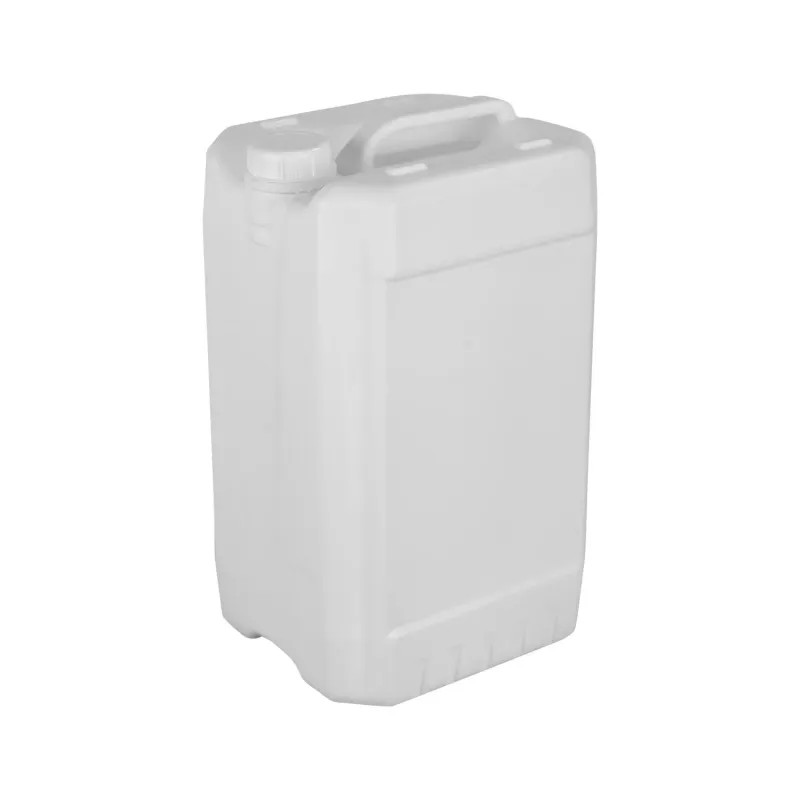
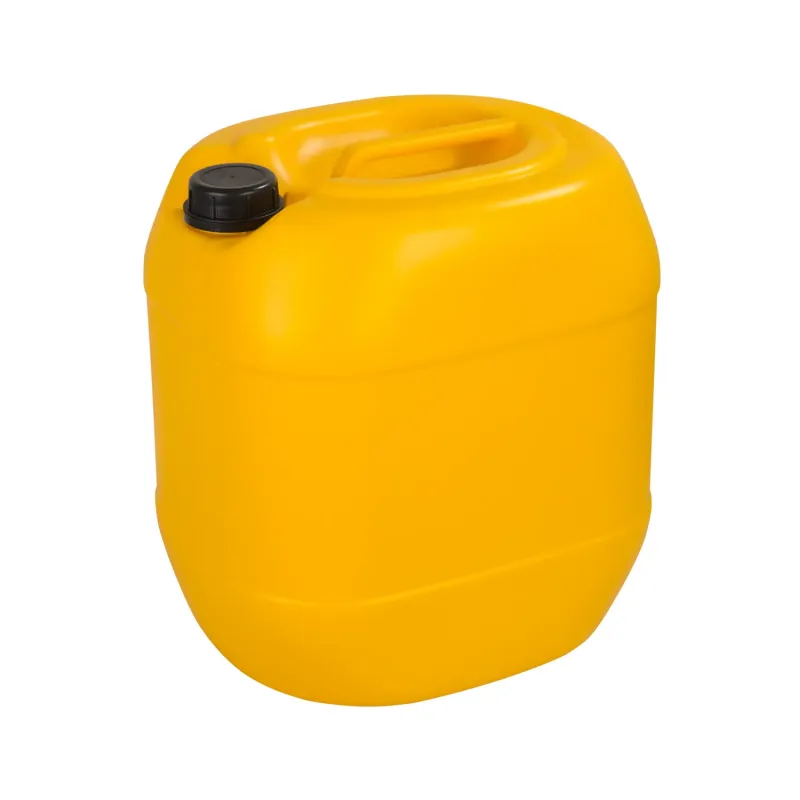
3.1 Leak-Proof Features Any leakage during the storage of chemicals can lead to significant environmental and health issues. Plastic drums should be designed with leak-proof caps and engineered to prevent liquid chemicals from spilling. The design of the drum's cap should allow for the secure containment of chemicals.
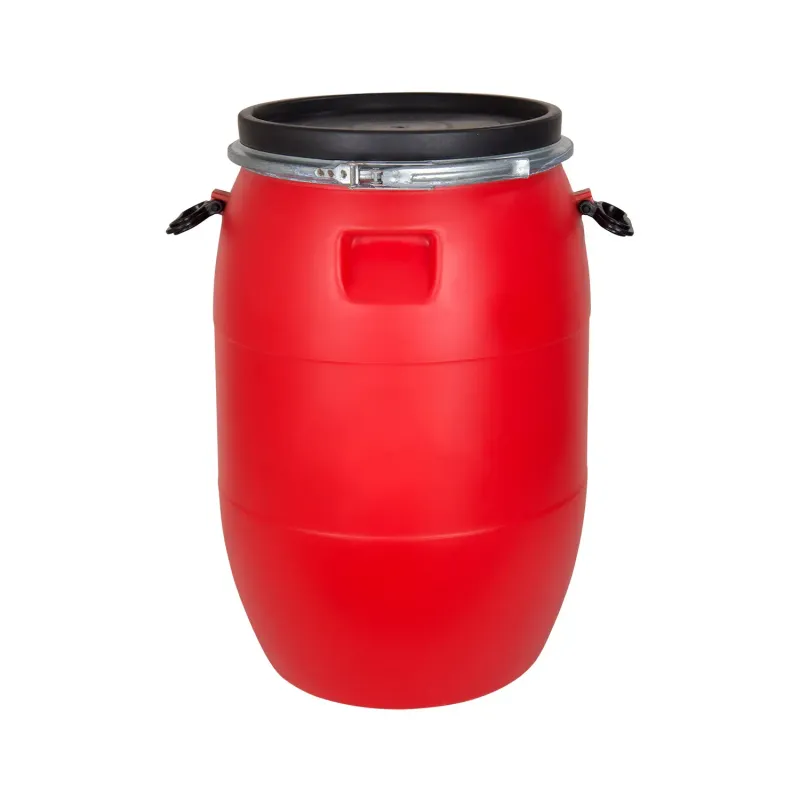
3.2 Cap and Closure Mechanisms The caps of plastic drums used for chemicals require special designs for both leak-proofing and safety. Caps used for chemical storage are usually tightly sealed with screw-type or stopper mechanisms. Additionally, the caps for most chemicals should be made from materials that are resistant to specific chemicals.
3.3 Durability and Crack Resistance In addition to chemical resistance, plastic drums must be resistant to impacts. Drums carrying chemicals are often transported with heavy loads and moved around. Therefore, drums should be resistant to cracking and made with durable materials to prevent chemical loss.
- Chemical Storage and Transportation Standards Plastic drums used for storing chemicals should not only be made with appropriate materials but also comply with national and international regulations and standards. Some commonly accepted standards for chemical storage and transportation include:
4.1 ADR (European Agreement Concerning the International Carriage of Dangerous Goods by Road) ADR is an international agreement regarding the transportation of dangerous goods by road. Plastic drums used for transporting chemicals must comply with ADR standards.
4.2 OSHA (Occupational Safety and Health Administration) Standards In the United States, OSHA has set specific standards for the safe storage and transportation of chemicals. Plastic drums must comply with these standards and possess the necessary features for occupational safety.
4.3 UN Certifications For many hazardous chemicals, United Nations (UN) certifications are required. These certifications ensure that chemicals are stored and transported according to certain safety levels and conditions. Plastic drums are generally required to have these certifications.
Environmentally Friendly Chemical Storage Solutions In addition to the safe storage and transportation of chemicals, their environmental impact is also important. When plastic drums are made from recyclable materials, they offer an environmentally friendly option. Recyclable plastics such as HDPE and PP not only provide an environmentally conscious solution but also make a significant contribution to sustainability.
Conclusion Safe storage of chemicals begins with selecting the correct plastic drums. Durable plastic materials such as HDPE, PP, and PVC offer ideal options for safely storing chemicals. These materials are resistant to chemicals, as well as environmentally friendly and hygienic.
The chemical resistance, design, leak-proof features, and environmental sensitivity of plastic drums directly affect the effectiveness of chemical storage. Therefore, adopting a professional approach to selecting the correct plastic drums for chemical storage and transportation ensures a safe working environment and helps reduce environmental impacts.