
 Türkçe
 ENGLISH
 РУССКИЙ
 Français
 عربي
عربي Română
 Deutsch
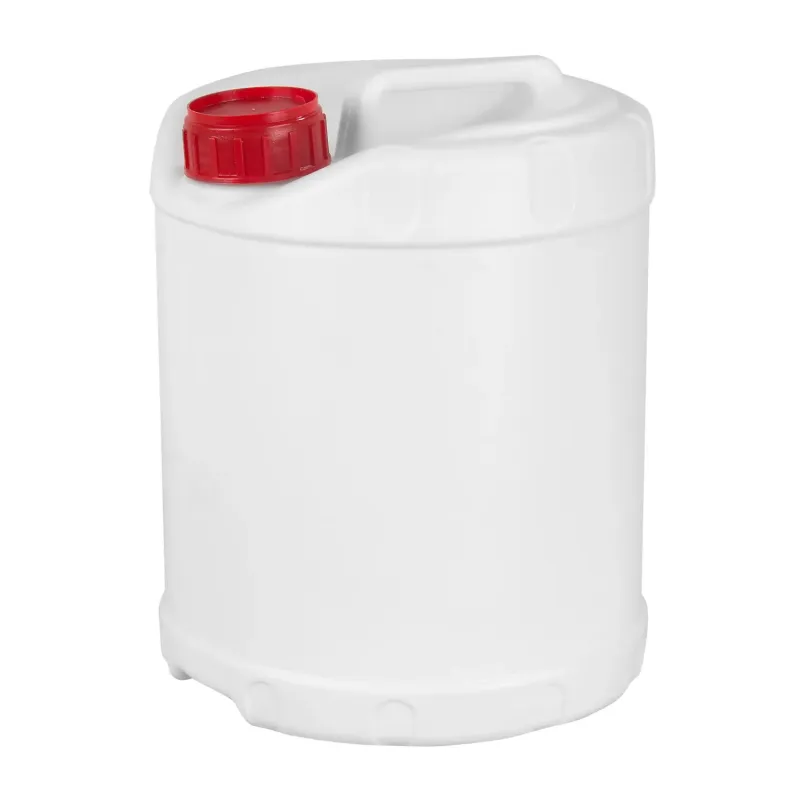
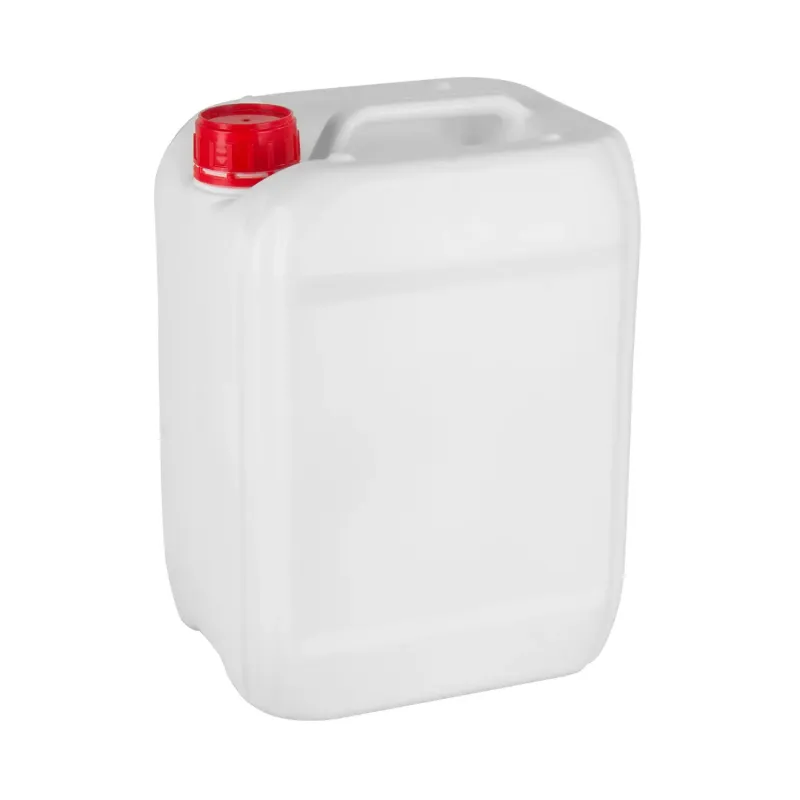
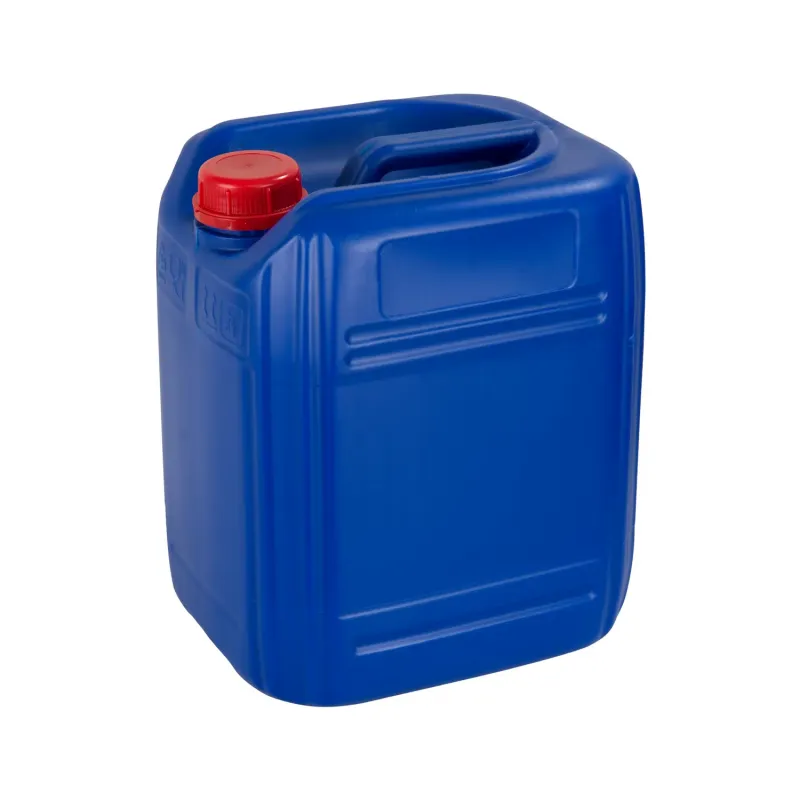
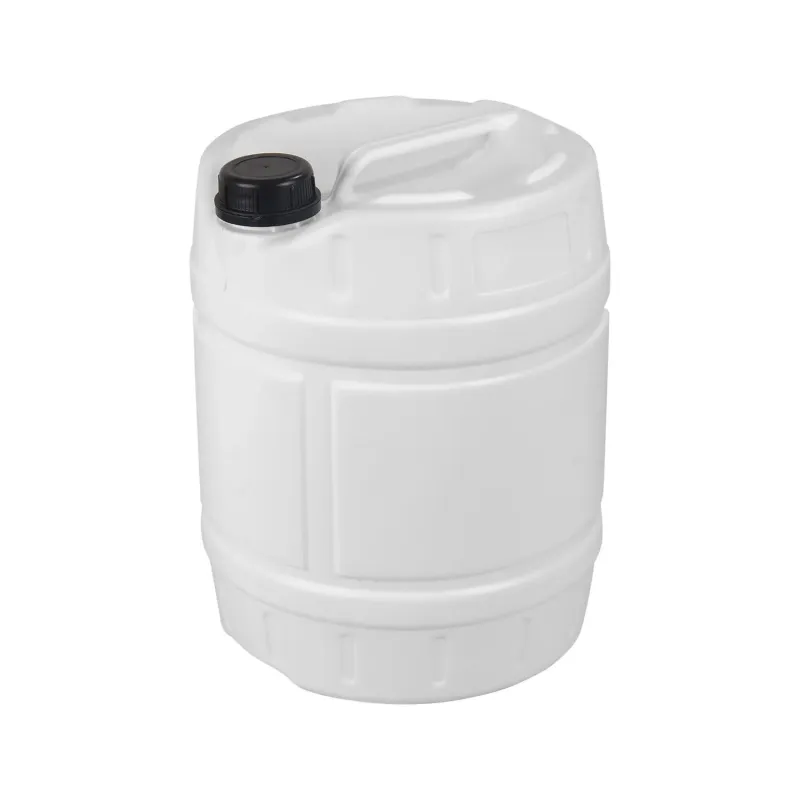
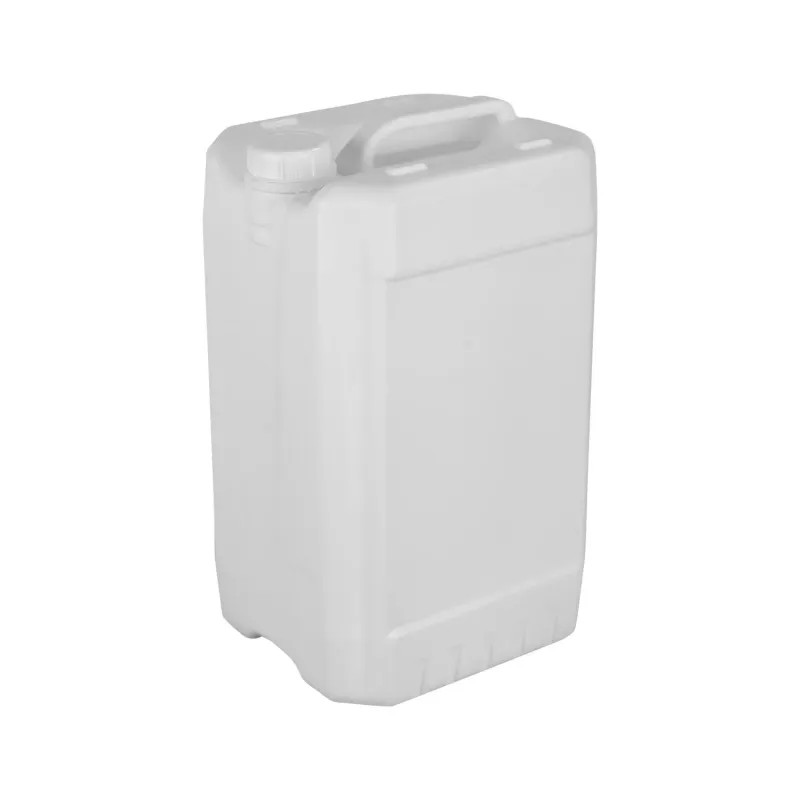
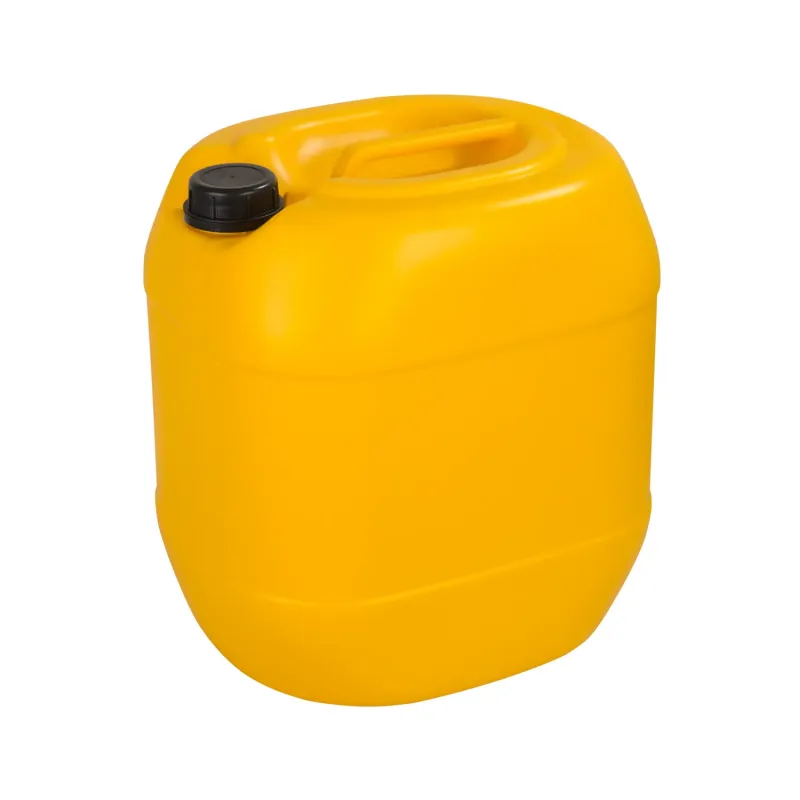
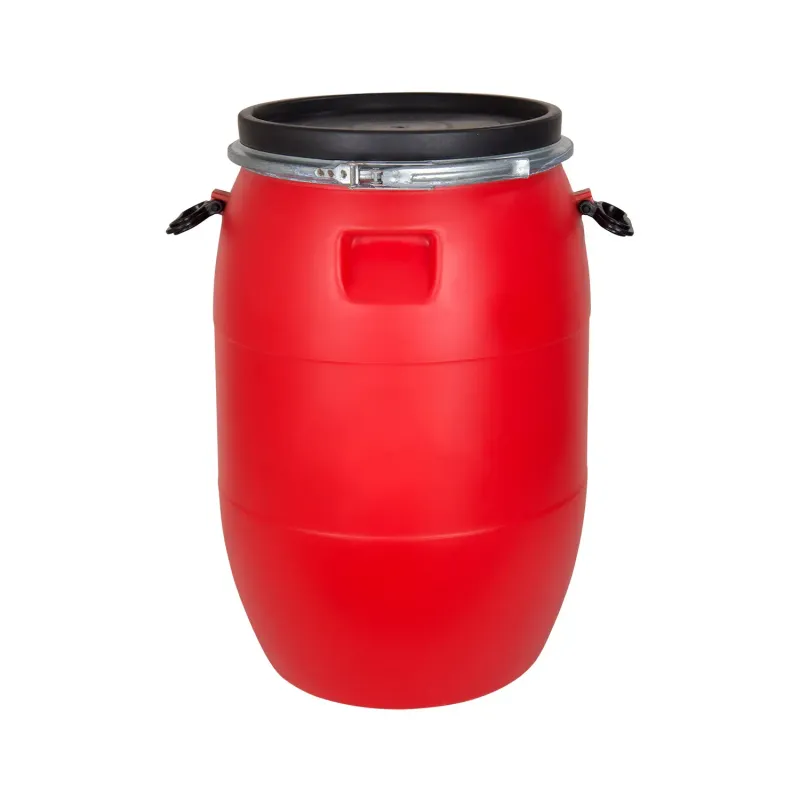
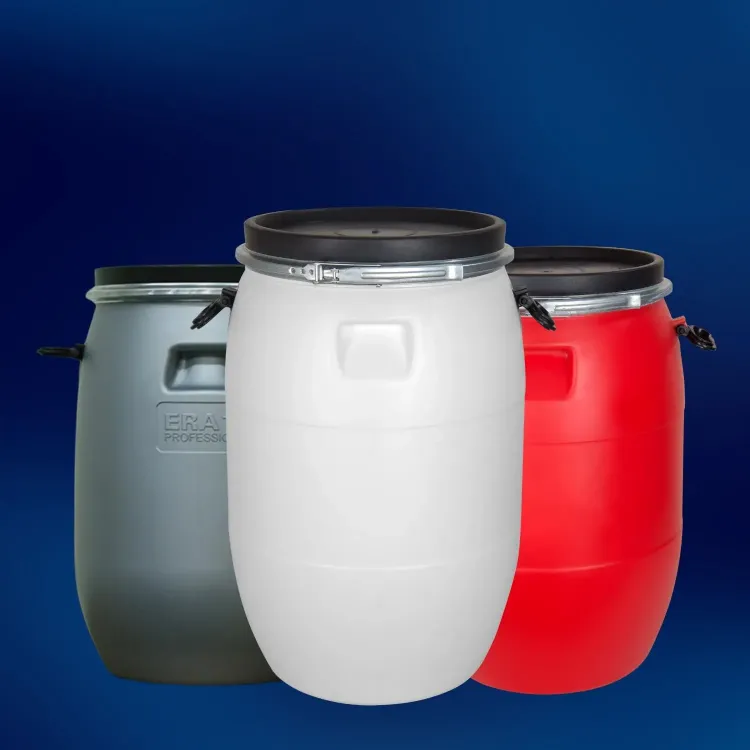


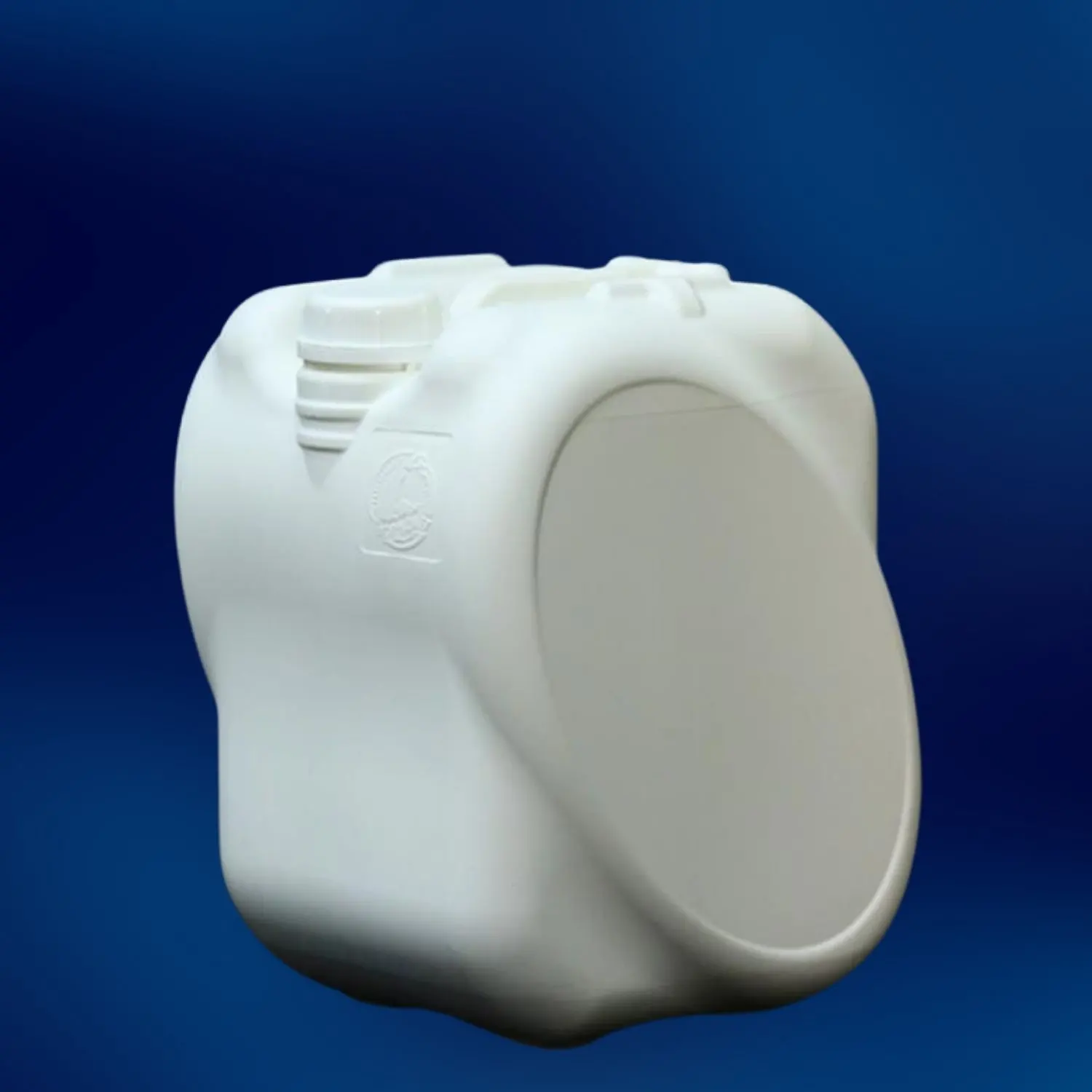
Selection of Plastic Buckets for the Food Industry: Standards to Consider

Standards to Consider When Selecting Plastic Buckets for the Food Industry
The food industry demands the highest hygiene and safety standards in processes such as production, transportation, and storage of products that directly affect human health. Therefore, when selecting plastic buckets, the safety of the materials used, their durability, and their ability to not harm human health when in contact with food are of critical importance. In this article, we will explore the main standards to consider when choosing plastic buckets for the food industry.
What is Food-Grade Plastic?
Food-grade plastic refers to types of plastic produced for the safe transportation and storage of food that do not contain harmful components. These plastics do not release toxic substances when in direct contact with food. Food-grade plastics are usually labeled with FDA (Food and Drug Administration) approval or a "food-grade" label. It is one of the most important requirements that the materials used in plastic bucket production are food-grade for health reasons.Standards for Selecting Plastic Buckets for the Food Industry
Plastic buckets used in the food industry must meet certain standards and certifications, which are crucial for consumer safety and legal compliance. The main standards include:
2.1 FDA Approval
FDA approval is a quality standard indicating that the plastic bucket can safely come into contact with food. This approval, given by the FDA in the United States, shows that the plastic bucket meets specific health and safety criteria. FDA approval is a globally recognized standard and one of the key certifications required for products in contact with food.
2.2 BPA-Free
Bisphenol A (BPA) is a chemical used in some plastics that can have harmful effects when it comes into contact with food. Due to research on the negative health effects of BPA, many countries have made the use of BPA-free plastics mandatory in the food industry. BPA-free plastic buckets are especially important for ensuring the safe storage of food in a healthy environment.
2.3 ISO 22000 Certification
ISO 22000 is an international standard developed for food safety management systems. Plastic bucket manufacturers can demonstrate their compliance with hygienic production processes and quality standards by obtaining ISO 22000 certification. This standard ensures that hygiene and safety are maintained throughout the entire process, from production to delivery to the customer.
2.4 European Union Food Contact Regulation (EU 10/2011)
The European Union has developed a specific regulation for plastics in contact with food. This regulation, known as EU 10/2011, guarantees that plastic materials will not harm health when in contact with food. Products intended for the European market must undergo the tests and analyses outlined by this regulation.
2.5 Other Certifications for Food Safety
Other important standards for plastic buckets used in the food industry include NSF International certifications, BRC (British Retail Consortium) certifications, and approvals from national health organizations. These certifications are quality documents that show plastic buckets are produced in accordance with food safety.
- Properties of Materials Used in Plastic Buckets
The most commonly used materials in the production of plastic buckets for the food industry include polypropylene (PP), polyethylene (PE), and high-density polyethylene (HDPE). These materials are preferred because they are compatible with food and do not contain harmful substances.
3.1 Polypropylene (PP)
Polypropylene is a durable, chemically resistant material that is food-safe. It is preferred for food products that require sterilization and hot filling due to its ability to withstand high temperatures.
3.2 High-Density Polyethylene (HDPE)
HDPE is known for its durability and chemical resistance. It is preferred for transporting liquid and solid foods in the food industry and is highly suitable for ensuring leak-proof packaging. HDPE is also an environmentally friendly option and is recyclable.
3.3 Polyethylene (PE)
Polyethylene is a flexible and lightweight material. It is chosen for its food compatibility, resistance to impact, and low cost. PE derivatives are commonly used in plastic buckets to provide both safe and economical solutions.
- Other Factors to Consider When Selecting Plastic Buckets for the Food Industry
When selecting plastic buckets for the food industry, not only the material properties but also certain technical and hygienic details should be considered. Here are some factors to keep in mind:
4.1 Leak-proof and Lid Quality
It is crucial to store food in a leak-proof manner during transportation. High-quality, reliable plastic bucket lids prevent the leakage of liquids and other foods. This ensures product safety and helps maintain the hygiene of the transported food.
4.2 Impact and Crack Resistance
Plastic buckets may undergo impacts and cracks during transportation. Therefore, impact-resistant plastic buckets should be preferred, especially for long-distance transportation or heavy loads. Materials like HDPE and PE offer suitable solutions for these situations.
4.3 Heat Resistance
Some food products are transported or stored under high-temperature conditions. The heat resistance of plastic buckets is important for protecting the food inside. Materials like polypropylene, which can withstand high temperatures, can be preferred for these needs.
4.4 Hygienic Production Process
Plastic buckets used in the food industry must be produced under hygienic conditions. Plastic buckets from production facilities that meet quality standards like ISO 22000 are a safe option as they are produced in hygienic and reliable conditions.
Environmental Impact and Recycling
Plastic buckets made from recyclable materials offer an environmentally friendly choice. The recyclability of plastic buckets used in the food industry contributes to the conservation of natural resources. Materials like HDPE and PP are suitable for recycling and cause less environmental harm.Conclusion
The selection of plastic buckets in the food industry is of critical importance for human health and product safety. FDA approval, BPA-free status, and international quality standards like ISO 22000 guarantee the safety and quality of food-grade plastics. Additionally, the proper use of materials like polypropylene, HDPE, and PE ensures the hygienic and safe transportation of food products.
Choosing the right plastic bucket enables companies in the food industry to safely store their products and deliver them to the end consumer in hygienic conditions. Selecting plastic buckets that comply with all these standards ensures legal compliance and maintains food safety at the highest level.