
 Türkçe
 ENGLISH
 РУССКИЙ
 Français
 عربي
عربي Română
 Deutsch









What is HDPE? Industrial Applications of High-Density Polyethylene

What is HDPE? Industrial Applications of High-Density Polyethylene
HDPE, or High-Density Polyethylene, is a type of thermoplastic polymer obtained through the polymerization of ethylene monomers. Although it belongs to the same family as low-density polyethylene (LDPE), HDPE is much denser, harder, and more durable due to differences in its molecular structure. Typically, this material has a density higher than 0.941 g/cm³, and is widely used in many industries around the world due to its chemical resistance, durability, and lightweight properties.
Physical and Chemical Properties of HDPE HDPE is a material with high density and crystallinity. These properties give it excellent mechanical strength and chemical resistance. The main features of HDPE are as follows:
- High Chemical Resistance: It is resistant to acids, alkaline solutions, oils, and many chemicals, making it commonly used for chemical transportation and storage.
- Low Density, High Strength: Despite its low density, it has a very high impact resistance.
- Flexibility: Although it is rigid, it provides flexibility in certain applications and can be molded.
- UV and Temperature Resistance: HDPE resists sunlight and maintains its form at both low and high temperatures.
- Recyclability: HDPE is an environmentally friendly material, and its recyclability is an integral part of sustainable production processes.
HDPE Manufacturing Process HDPE is typically produced using catalyzed polymerization methods. Ethylene gas is polymerized under high pressure and temperature with the help of a catalyst. As a result, polyethylene is obtained in chain form. Since HDPE has a controlled level of crystallinity during the manufacturing process, it is harder and more durable compared to low-density polyethylene.
Industrial Applications of HDPE Thanks to its superior properties, HDPE is considered an indispensable material in many industries. Some of the main areas of use for HDPE include:
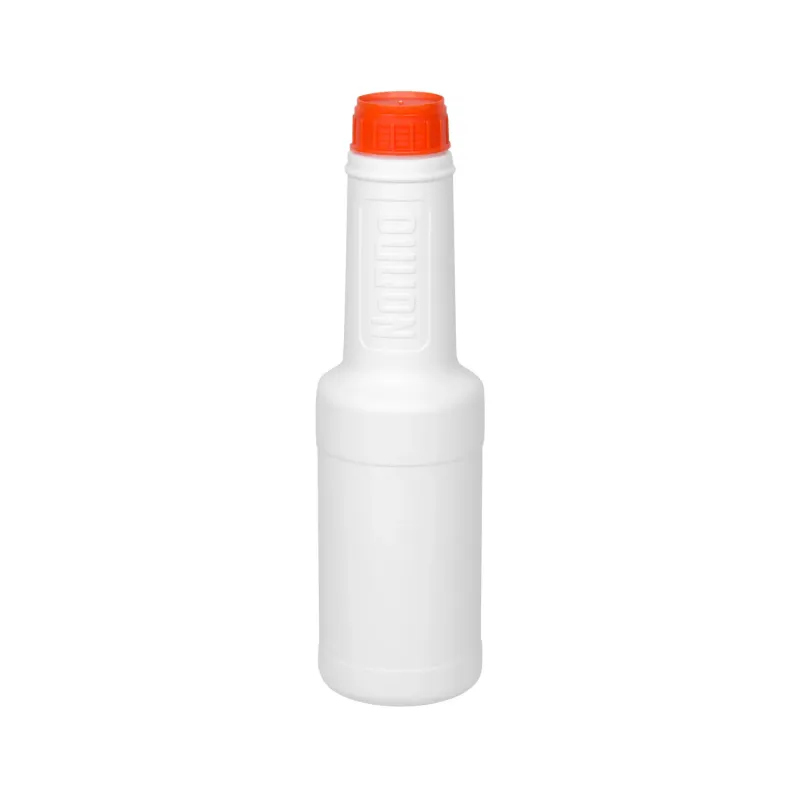
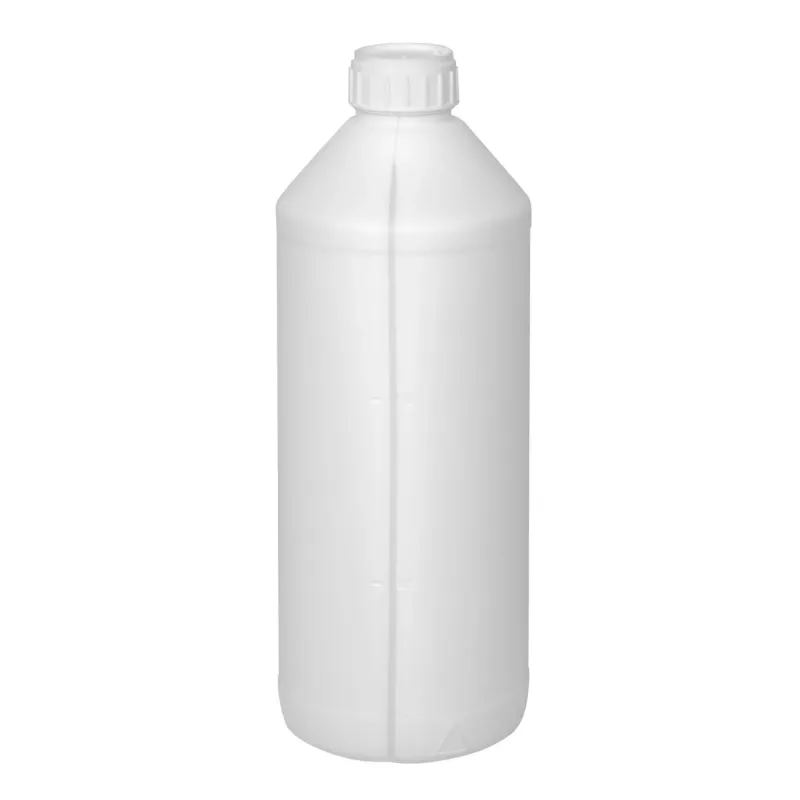
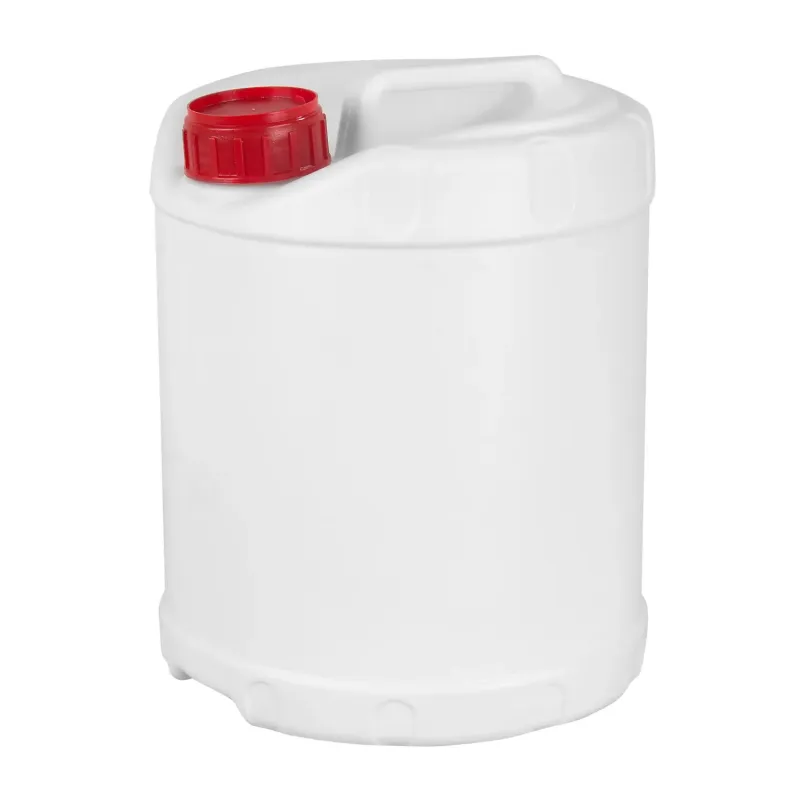
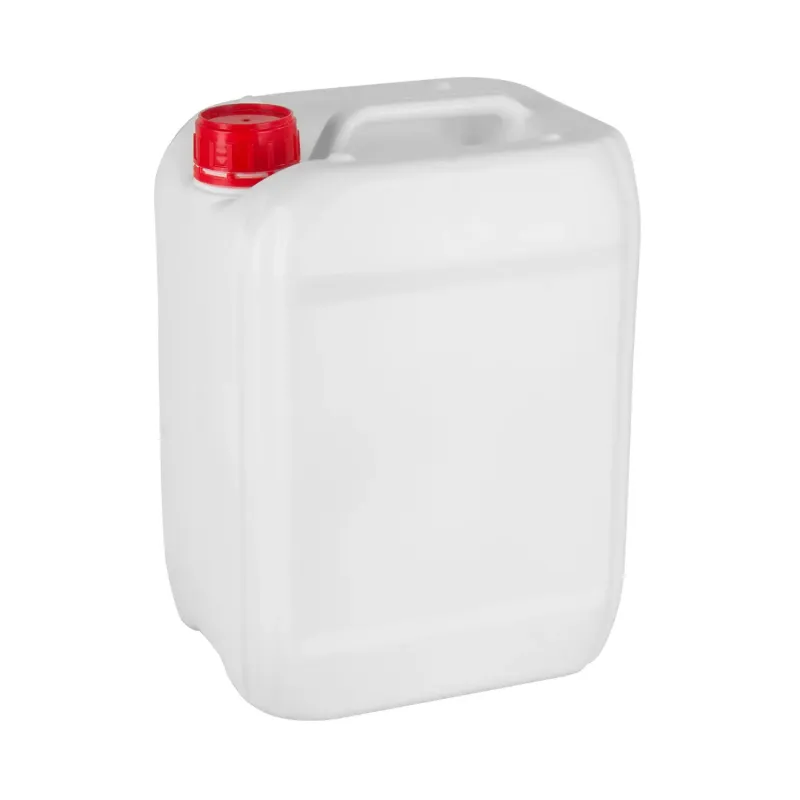
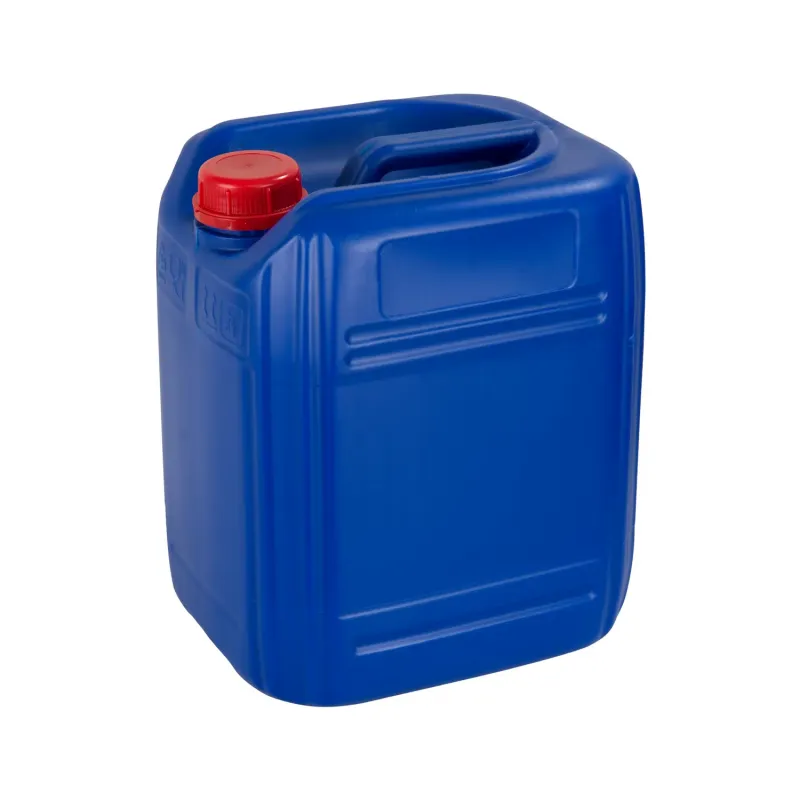
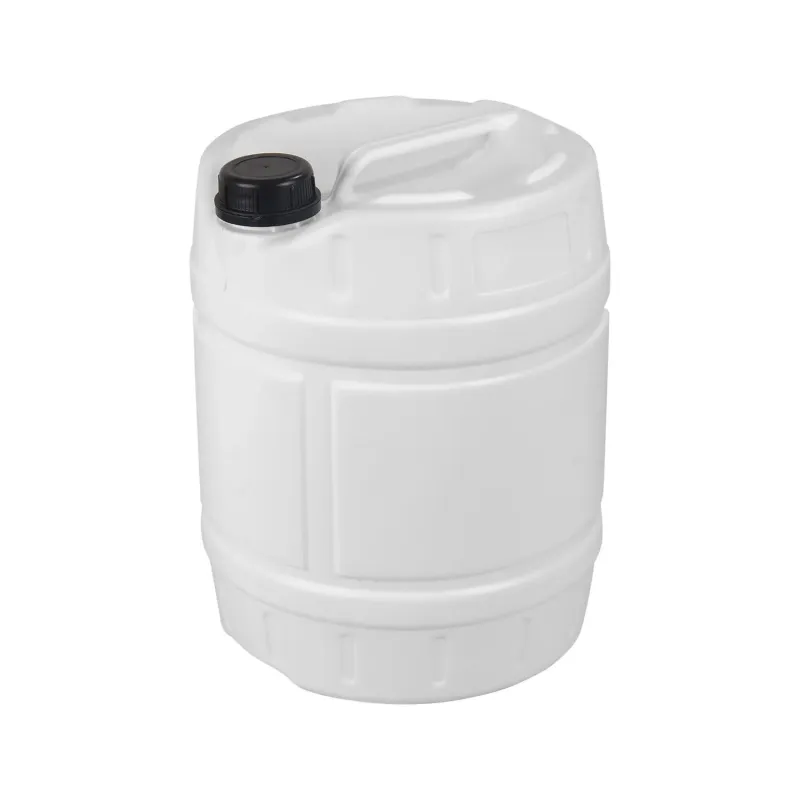
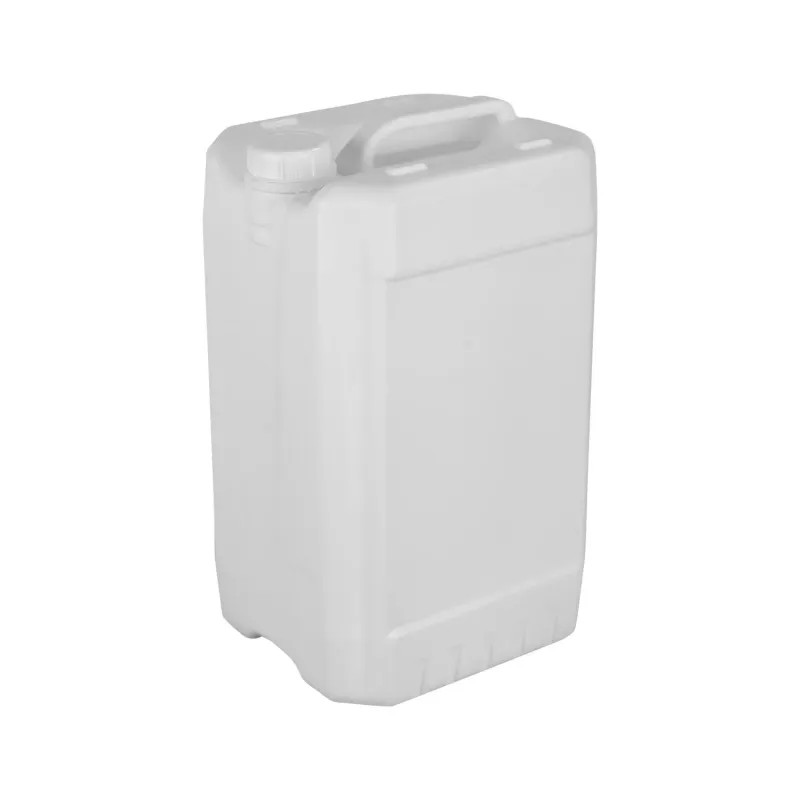
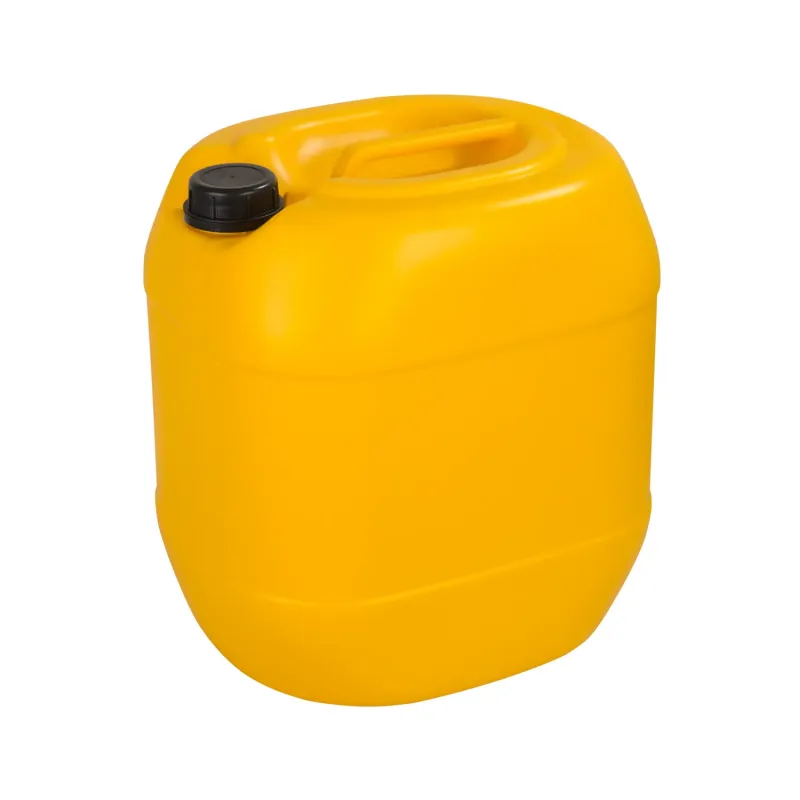
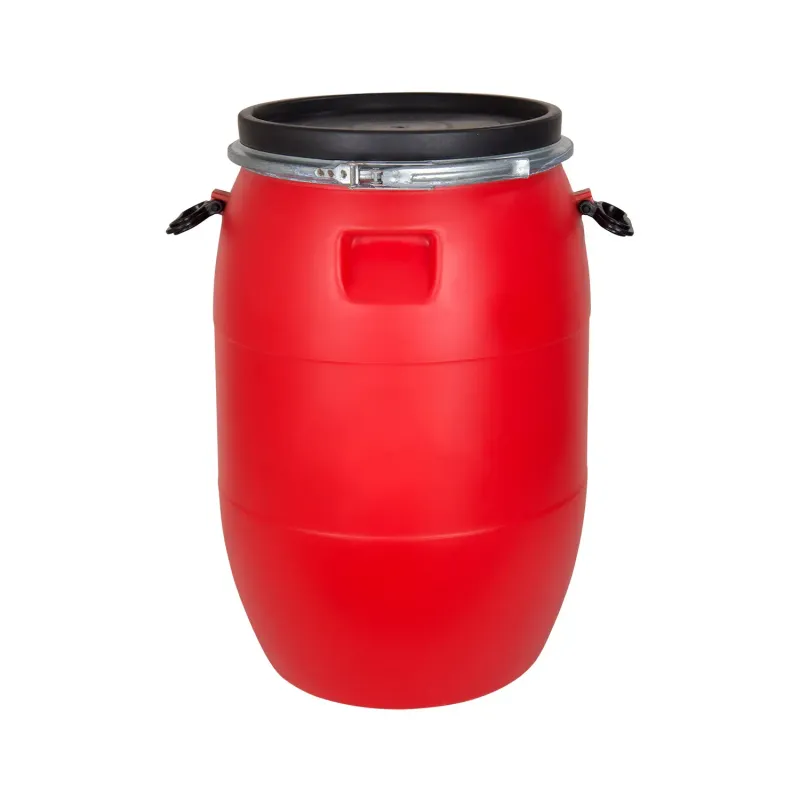
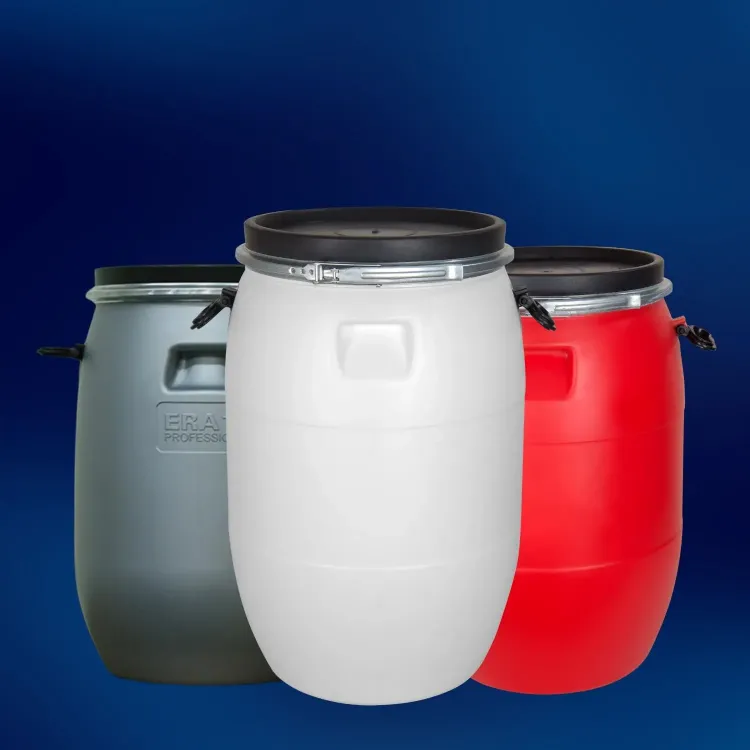
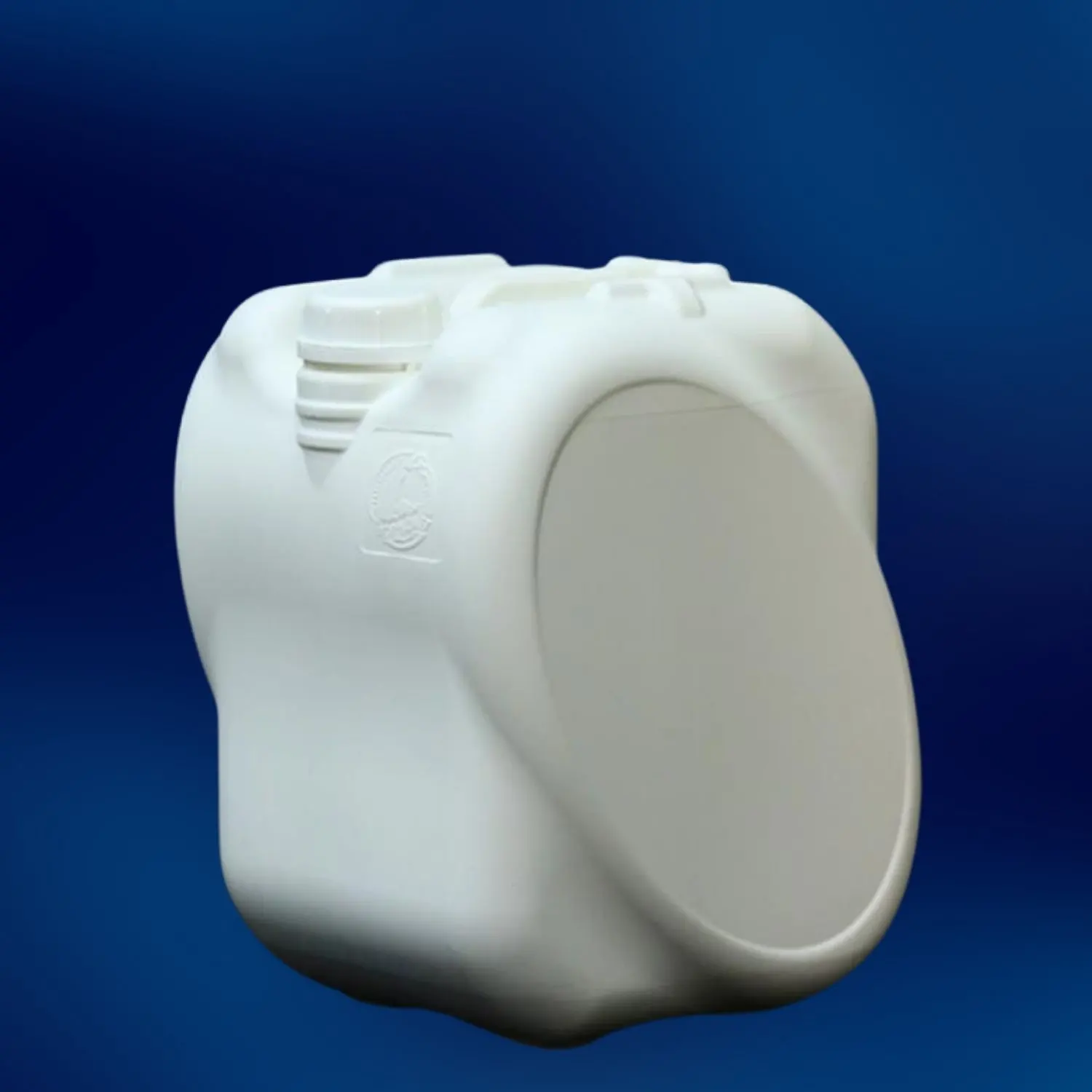
- Packaging Industry: HDPE is an ideal solution for safely transporting and storing food, beverages, and chemicals. HDPE is commonly used in the production of plastic bottles, containers, barrels, and caps.
- Agriculture and Agricultural Areas: HDPE is widely used in the production of pipes for agricultural irrigation systems and containers for transporting pesticides. Its chemical resistance ensures the safe storage of agricultural chemicals.
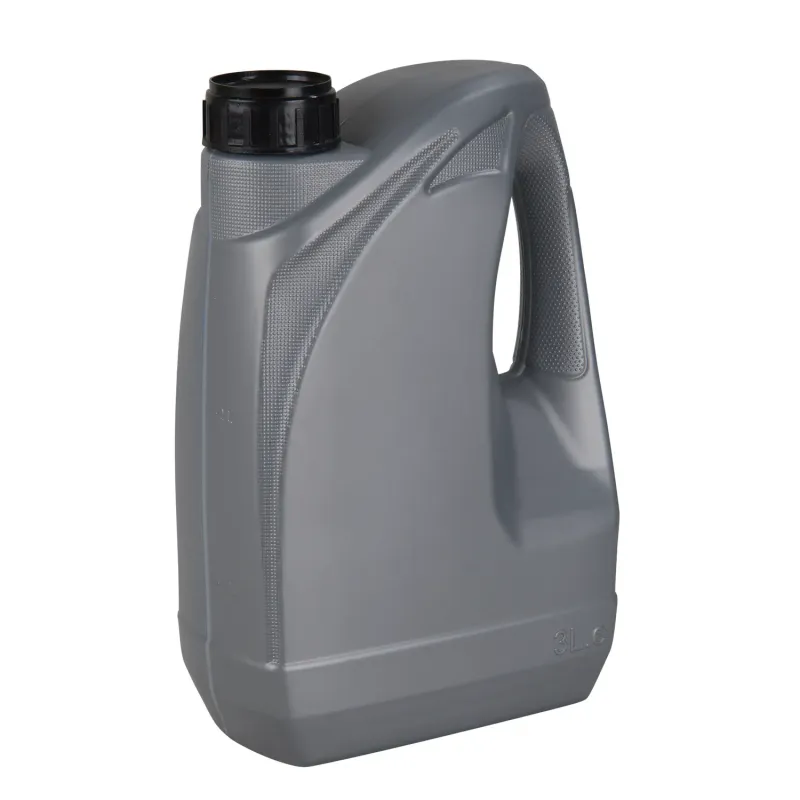
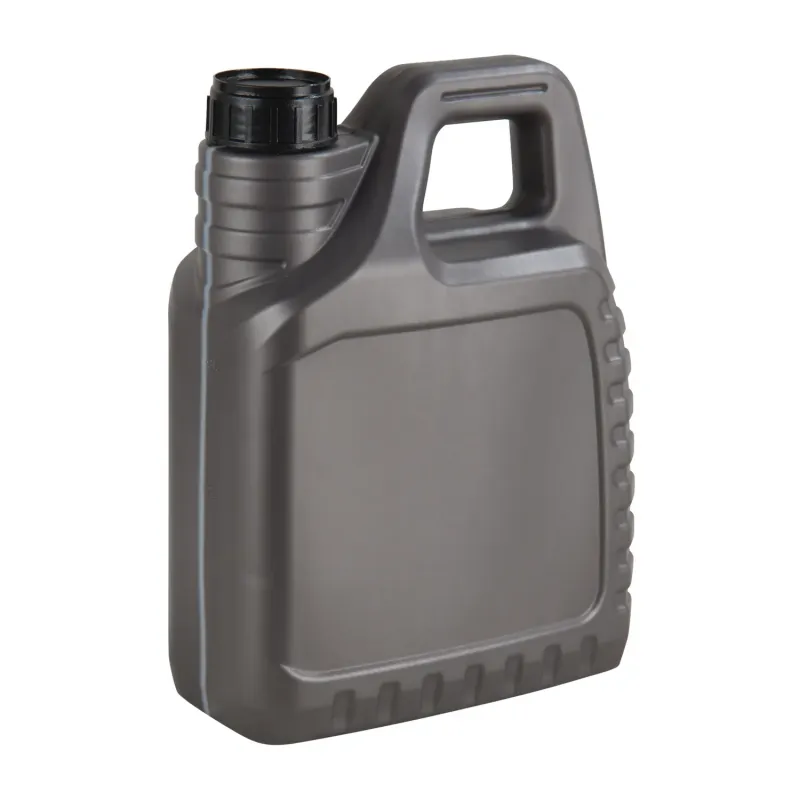
- Chemicals and Industrial Sector: Industrial chemicals, lubricants, greases, and solvents are transported and stored in HDPE containers. The chemical resistance of HDPE enables the safe and leak-proof containment of hazardous materials.
- Construction and Infrastructure: HDPE is used in the production of durable piping systems. Sewer lines, water transport pipes, and natural gas pipes are preferred for their solid structure and long-lasting performance.
- Food and Health Sector: HDPE is suitable for food safety and is used in packaging liquid food products such as milk, yogurt, and fruit juices. It is also used in the health sector for manufacturing sterile transport containers and medicine bottles.
- Toys and Household Products: HDPE is used in the production of children's toys, kitchenware, and garden materials. Its non-toxic nature ensures safe use.
- Recycling and Environmental Applications: HDPE is preferred in sustainable production processes because it is recyclable. Recycled HDPE can be used to manufacture benches, trash cans, and eco-friendly products.
Advantages of HDPE
- Provides long-lasting and economical solutions.
- Its lightweight structure makes it easy to transport.
- It is resistant to chemical and physical effects.
- Highly resistant to UV rays and harsh weather conditions.
- As an environmentally friendly material, it is recyclable.
Conclusion HDPE, with its strength, durability, and economic structure, has a wide range of applications in both industrial and daily life. From agriculture to industry, food to construction, HDPE is a key material in sustainable production processes due to its environmentally friendly nature. As production technologies continue to develop, HDPE will remain an important material for industrial solutions in the future.